
Ig
 4
8.1
4
8.1

- noun
- /aɪ dʒi/
- Specialized
- A total of 693 people received IG at the TCHD clinic; 289 on January 2 and 404 on January 3.
- cells that secrete Ig
- Ig light chain
- Ig light
Examples
-
A two-day clinic in Adams County, Colorado, administered IG to 693 individuals.
Academic text (2006) -
Prior to approving clients for IG, staff greeted them and obtained basic demographic information, information on allergies, and medical consent.
Academic text (2006) -
No anti-DNA or anti-Ig antibodies were found.
Academic text (2000) -
The clinic screened an additional 195 individuals who were determined to be ineligible to receive IG.
Academic text (2006) -
After conducting a public health risk assessment, TCHD decided to offer immune globulin (IG) to potentially exposed restaurant patrons.
Academic text (2006) -
During the week following the news release, TCHD received 550 calls from the public inquiring about the IG clinic and asking for general information about the hepatitis A virus.
Academic text (2006) -
The B henselae titers were > 1:1,024 for immunoglobulin (Ig) G and 1:80 for IgM.
Academic text (2004) -
Patients 523 and 535, who had had miscarriages, had positive serologic results for total Ig but negative results for IgG and IgM (Table 2).
Academic text (2014) -
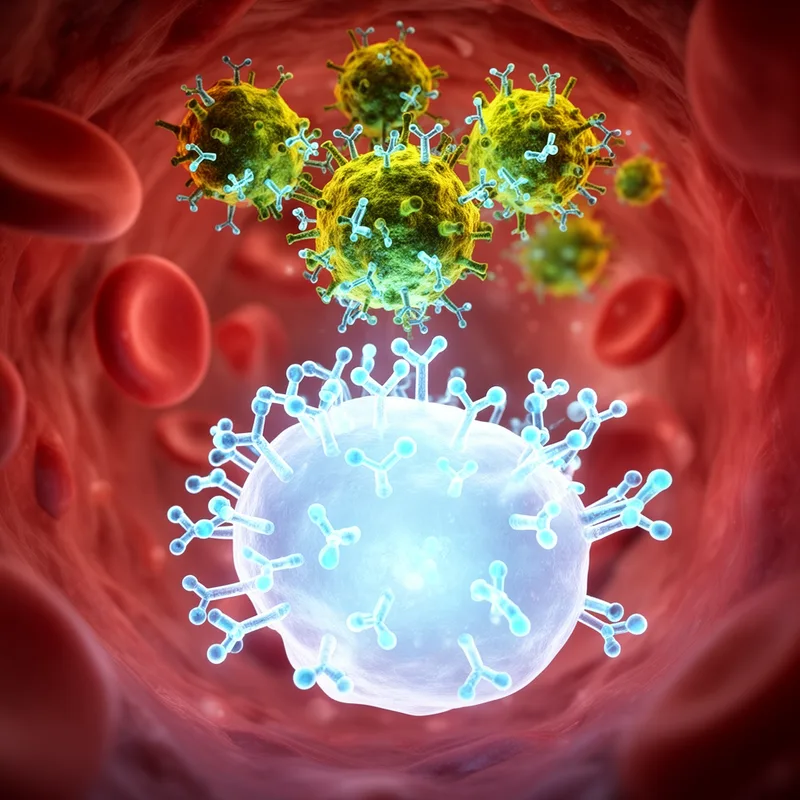
The doctor explained that Ig proteins play a critical role in the immune response.
-
Patients recovering from infections often have elevated levels of Ig in their blood.
Synonyms
 3
7.0
3
7.0
A protein made by the body that acts as an antibody to fight germs
 1
5.3
1
5.3
Proteins that the body makes to help fight infections


 1
7.6
1
7.6
Proteins in the blood that help the body fight infection
A blood protein made by the body to fight infections
Surface Forms
Etymology
Ig is a short form of immunoglobulin, made of immuno- meaning 'immune' or 'protected' and globulin from a word for a 'small ball' like a 'globe'. So Ig names the small, round proteins called antibodies that help protect the body.