
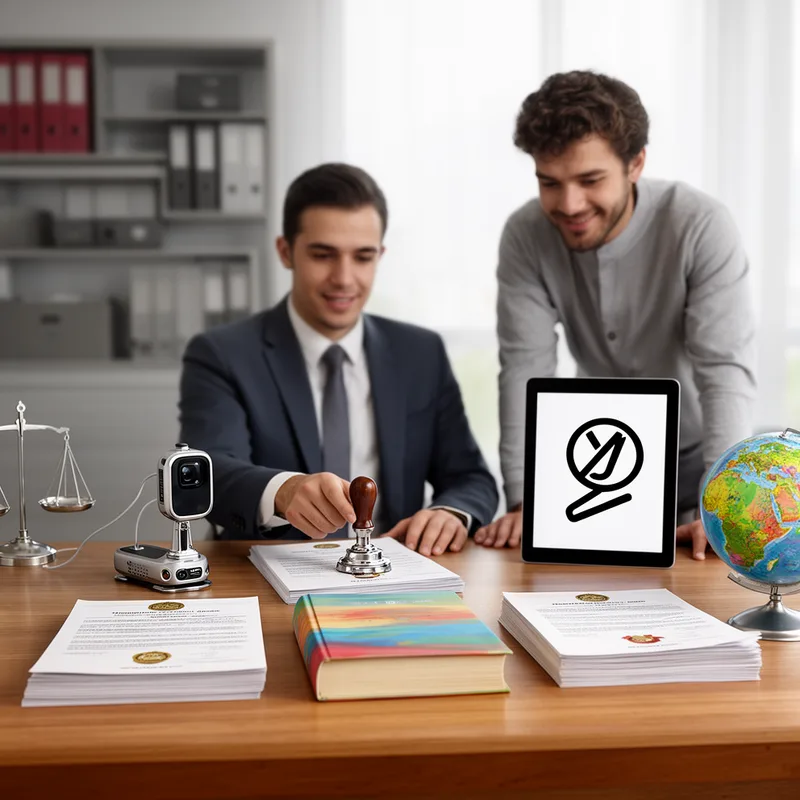
IPR
 1
6.1
1
6.1

- noun
- /ˌaɪ piː ˈɑːr/
- Specialized
- What law does exist—namely IPR law—favors industrialized nations rather than the bioculturally rich developing countries.
- intellectual property rights (IPR)
- IPR protection
- IPR law
Examples
-
British firms were less troubled by the treaty's provisions on intellectual property rights (IPR) than their rivals in the United States.
Academic text (2000) -
Overall, IPR proceedings are similar to district court litigation because they provide third parties an opportunity to challenge the validity of an issued patent, but IPRs operate on a shorter timeframe and only permit challenges to validity, not other potential claims parties may bring in district court.
Academic text (2017) -
Issues like human rights, IPR, and market access are just a few among the many that must be resolved.
Academic text (2000) -
The GAO will issue this summer a report based on a study of how Japanese IPR practices have hurt U.S. companies.
Academic text (1993) -
Clearly, the debate over IPR law, biodiversity prospecting, and indigenous rights is both complex and evolving.
Academic text (1996) -
The USTR noted that current enforcement remains weak and criminal penalties for IPR violations are insufficient to provide a deterrent effect.
Academic text (2016) -
At the minimum, Shiva's research demonstrates the need for an interdisciplinary approach to IPR regimes and biodiversity.
Academic text (1996) -
The government introduced new IPR regulations to protect artists and inventors from copyright infringement.
-
Understanding IPR is essential for anyone looking to safeguard their creative work or inventions.
-
Many startups struggle with navigating IPR issues as they seek to protect their innovative technologies.
Synonyms
 49
4.6
49
4.6
Rights that protect things people create, like inventions, books, or logos
Surface Forms
Morphology
IPR = I + P + R
This is an initialism (acronym) whose letters name words in a phrase; the letters themselves are not productive morphemes and do not let learners infer the meaning.
Etymology
IPR comes from the words intellectual, property, and rights, where intellectual means 'of the mind', property means 'something you own', and rights means 'legal protection'. So IPR refers to the laws that protect ideas, inventions, and creative works as if they were your property.