
Hypoxidaceae
- noun
- /haɪˌpɒksɪˈdeɪʃiː/
- Specialized
- Many plants from the Hypoxidaceae family thrive in tropical climates.
Examples
-
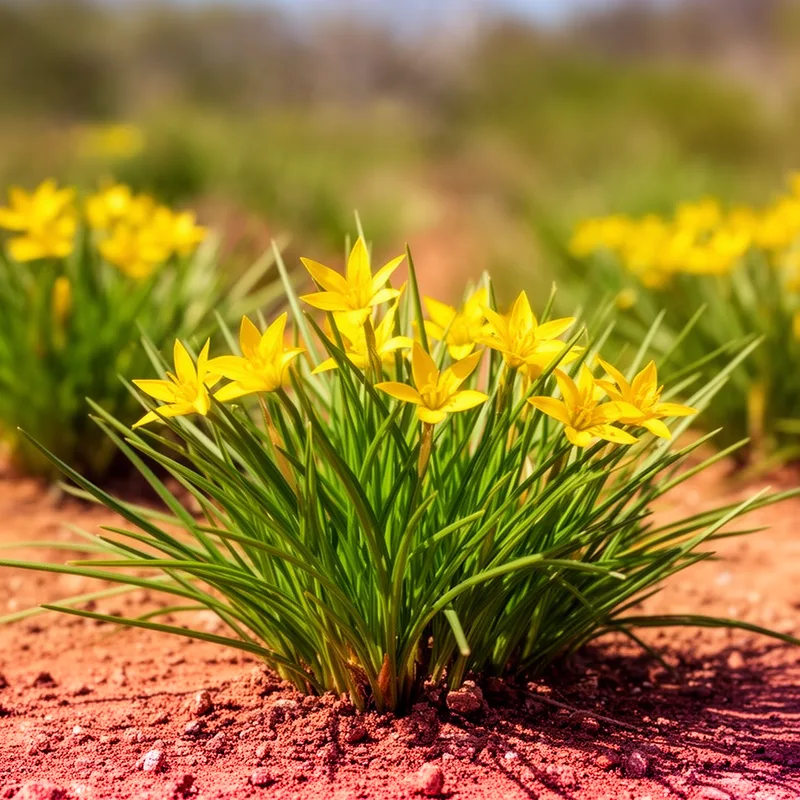
The Hypoxidaceae are recognized for their yellow, star-shaped flowers.
-
Botanists often debate whether Hypoxidaceae should be included in Amaryllidaceae.
-
Recent studies have clarified the classification of the Hypoxidaceae within monocots.
-
The Hypoxidaceae family includes several unique species.
-
The Hypoxidaceae family includes several unique species that exhibit distinct characteristics.
-
Botanists often debate whether Hypoxidaceae should be classified separately from other plant families.
-
Many plants from the Hypoxidaceae family thrive in tropical climates and add to the region's biodiversity.
Surface Forms
Morphology
Hypoxidaceae = Hypoxis (opaque) = hypoxid + aceae
Formed from a Latinized genus name stem plus the technical botanical family suffix '-aceae', which is specialized and unlikely to be transparent to an average B1 learner.
Etymology
Hypoxidaceae comes from the plant name Hypoxis plus the family ending -aceae; the parts hypo- and oxis come from Greek meaning 'under' and often thought to mean 'sharp', so a helpful image is the small, pointed, star-like flowers of these plants. So, Hypoxidaceae simply means the plant 'family' made of Hypoxis-like species.

