
Hypocreaceae
- noun
- /ˌhaɪpəˈkriːəˌsiː/
- Specialized
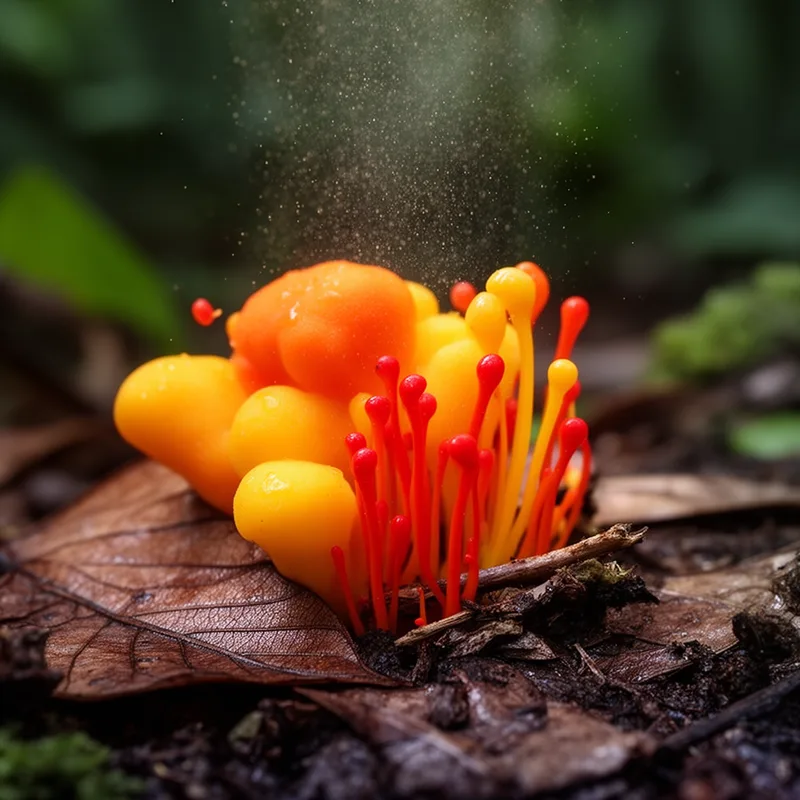
- Species within the Hypocreaceae family are known for their vividly colored fruiting bodies.
Examples
-
Researchers discovered a new type of fungus belonging to the Hypocreaceae in the tropical forest.
-
Many members of the Hypocreaceae are important in the decomposition of plant material.
-
The Hypocreaceae family includes many species with vibrant colors.
-
Have you ever studied Hypocreaceae fungi?
-
Many members of the Hypocreaceae family play a significant role in decomposing organic matter.
-
Researchers discovered a new species of fungus in the Hypocreaceae family during their expedition.
-
Species within the Hypocreaceae are characterized by their brightly colored and fleshy fruiting bodies.
Surface Forms
Morphology
Hypocreaceae = Hypocrea (opaque) = Hypocrea + aceae
Formed by adding the Latin botanical family suffix '-aceae' to a genus name; this taxonomic formation is specialized and not generally transparent to average learners.
Etymology
Hypocreaceae comes from the fungus name Hypocrea plus the family ending -aceae, so it names a group of related fungi. Hypocrea likely mixes Greek hypo- 'under' and -crea 'flesh', giving the image of bright, fleshy fruiting bodies — that's why the name fits these colorful, soft fungi.

