
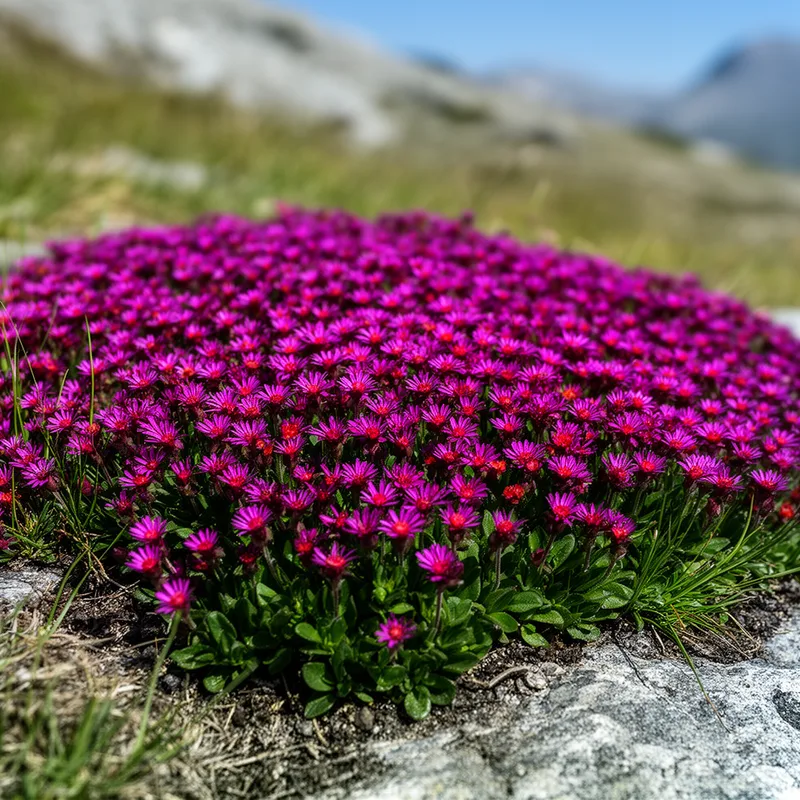
Homogyne alpina
- noun
- Specialized
- Gardeners recommend planting Homogyne alpina in shaded rock gardens for reliable groundcover.
Examples
-
In alpine regions, Homogyne alpina adds a splash of color with its striking purple-red flowers.
-
The Homogyne alpina blooms beautifully in the spring.
-
Homogyne alpina is often found carpeting alpine meadows with its purple-red blooms.
-
Botanists sometimes classify Homogyne alpina in the genus Tussilago due to similar characteristics.
-
Many gardeners love Homogyne alpina for its vibrant colors.
-
Homogyne alpina is a popular choice for gardeners seeking groundcover in shaded areas.
-
Many people appreciate Homogyne alpina for its ability to thrive in rocky, mountainous soils.
Synonyms
A low plant with purple-red flowers that grows from underground stems and spreads to cover the ground

A small mountain plant with purple-red flowers that grows from underground stems
Surface Forms
Morphology
Homogyne + alpina
This is a Latin binomial: the second element 'alpina' is clearly cognate with English 'alpine' and signals a mountain or alpine association, so a learner who knows both parts can infer it denotes the alpine species of the genus Homogyne. However, the genus name is a technical proper name and the detailed botanical properties (rhizomes, purple‑red flowers, groundcover use) are specific and not predictable from the names alone, so the composition is only partially transparent.
Etymology
Homogyne alpina may come from Greek words: Homogyne means 'same woman' (a way to note the flower's matching parts) and alpina means 'of the Alps' or 'mountain', so the name paints a picture of a mountain plant with similar-looking flowers and explains why it is used as alpine groundcover.

