
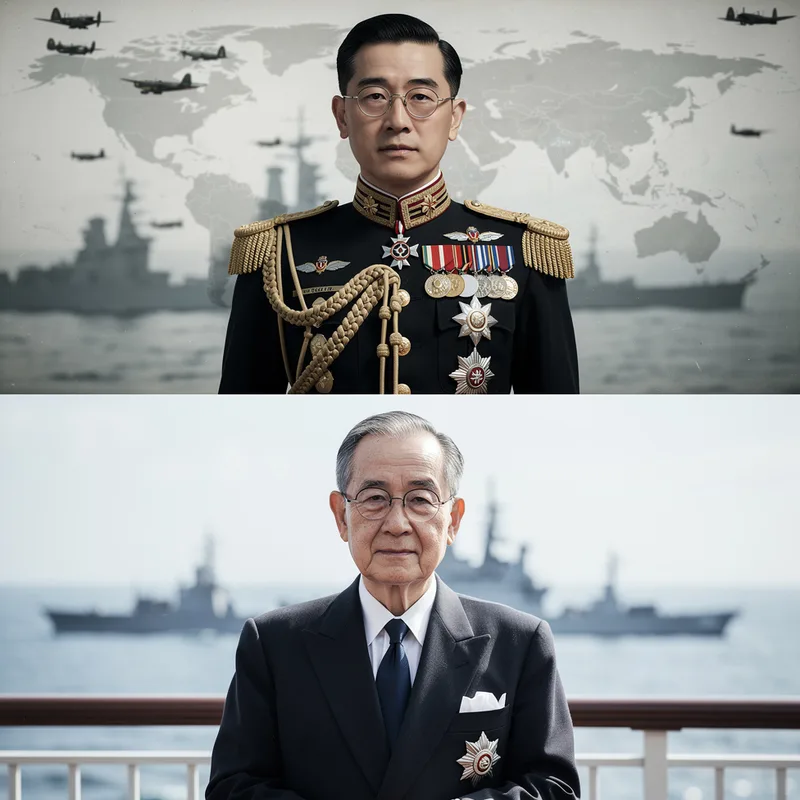
Hirohito
 4
7.9

- proper noun
- /hɪroʊˈhiːtoʊ/
- 2 September 1945. Japanese Emperor Hirohito issued the Instrument of Surrender and declared Japan's acceptance of the Potsdam Declaration of 26 July 1945.
- Emperor Hirohito
Loading YouTube…
Watch on YouTubeYou don't have MacArthur and Hirohito and an Armistice.
- You don't have MacArthur and Hirohito and an Armistice.
Examples
-
Nine days after the bomb at Hiroshima, on August the fifteenth 1945. Emperor Hirohito announced the surrender of Japan.
-
Truman received word that Hirohito wanted to surrender.
Blog text (6) -
"Emperor Hirohito believed that the government was acting in the nation's best interests."
Fiction book (1999) -
Emperor Hirohito has officially invited us to Japan.
-
General MacArthur was the first non-Japanese national to ever set foot in Emperor Hirohito's palace.
Blog text (11) -
Writing publicly after the war, Fellers described Hirohito as always a pacifist who had been made a tool of the fanatic militarists without means of fighting back.
Academic text (2010) -
Emperor Hirohito ruled Japan for more than six decades, from 1926 until his death in 1989.
-
During his reign, Hirohito transformed from a divine ruler to a constitutional monarch after Japan's defeat in World War II.
-
Emperor Hirohito addressed the nation on the radio, marking the first time the Japanese people heard his voice.
Surface Forms
Etymology
Hirohito comes from Japanese characters: Hiro often means 'broad' or 'abundant' and hito means 'person' or 'kindness'. So the name suggests a 'broad-hearted' or 'generous person', which helps you remember it is the personal name of Japan's emperor.