
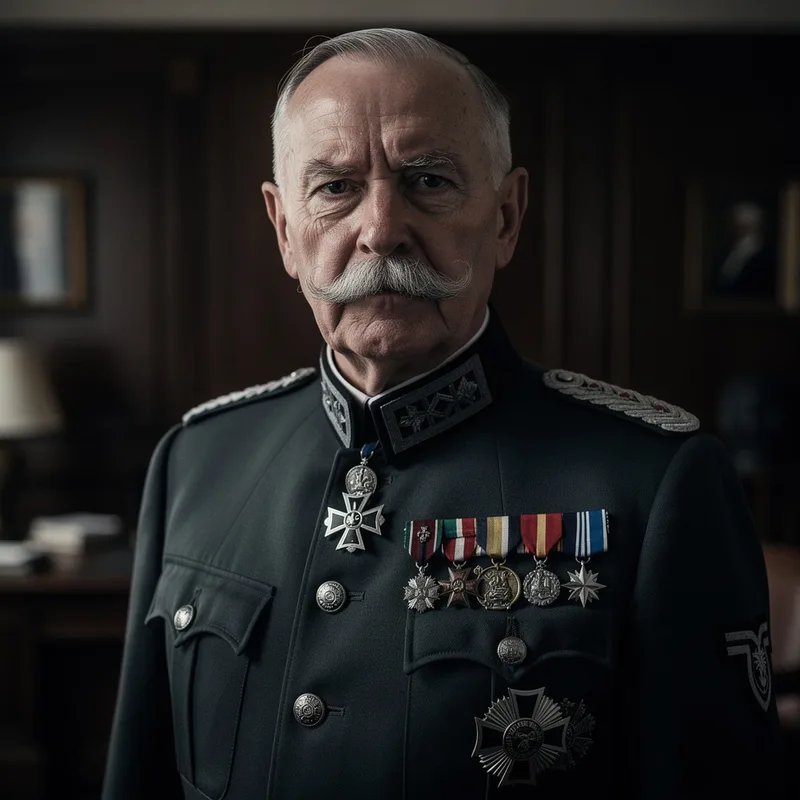
Hindenburg
 9
9.3

- proper noun
- /ˈhɪndənˌbɜrɡ/
- During his presidency, Hindenburg faced many challenges as Germany struggled with economic instability.
- Paul Hindenburg
- von Hindenburg
- Hindenburg Line
Loading YouTube…
Watch on YouTubeHe declined with Army Chief of Staff Paul von Hindenburg's support.
- He declined with Army Chief of Staff Paul von Hindenburg's support.
Examples
-
On the other hand, there was an apparent calm after the death of President Paul von Hindenburg in 1934 and an artificial civil peace in 1936 when the Olympics came to Berlin.
Academic text (2004) -
Germany held elections even after the death of President Paul von Hindenburg.
Blog text (5) -
President Hindenburg's death a few months later left Hitler within reach of supreme power.
Academic text (1999) -
I went to the site of the Hindenburg crash in Lakehurst, New Jersey, about twelve years ago.
Blog text (2) -
He was an old-fashioned nationalist who had long wanted Hindenburg to rule Germany.
Academic text (2011) -
On and on the list goes, until it culminates on 6 May 1937 in a red glow bathing a steel mast in Lakehurst, New Jersey, as the Hindenburg crashes to the ground in view of newsreel cameras, burning.
Academic text (1994) -
President Hindenburg, known for his role in the Weimar Republic, appointed Hitler as chancellor in 1933.
-
Paul von Hindenburg was a prominent military figure before becoming the second president of Germany.
Synonyms

 1
8.1
A German military leader and president of the Weimar Republic who appointed Hitler chancellor in 1933
A German army leader and president who appointed Hitler chancellor in 1933
Surface Forms
Etymology
Hindenburg is the last name of Paul von Hindenburg, a German army leader who became president and who appointed Adolf Hitler as chancellor. That's why the name Hindenburg is often linked to that key turning point in German history.