

Himalaya
 1
4.6
1
4.6

- proper noun
- /hɪməˈleɪə/
- Broad-leaved evergreen species form extensive forests along the east-west arc of the Himalaya (Schweinfurth 1957, Singh and Singh 1987, Stainton 1972).
- central Himalaya
- forests of the Himalaya
- Indian Himalaya
Examples
-
The jagged, snow-capped peaks of the Himalaya Mountains poked through the clouds to the east and west.
Academic text (2011) -
Betula utilis (bhojpatra birch) is widespread in subalpine forests throughout the Himalaya.
Academic text (1997) -
So all of these come out of the Himalaya Mountains.
-
Decomposition in the central Himalaya is faster, however.
Academic text (1997) -
The presentation centers on the Himalaya region and reflects Wolfe's most personal statement to date.
Academic text (2009) -
The forests of the Himalaya provide humans with fuel, building materials, livestock feed and bedding, food, and medicines.
Academic text (1990) -
The 1,500-mile-long Himalaya mountain range is home to Mount Everest, the highest peak in the world.
-
The jagged, snow-capped peaks of the Himalaya Mountains are a breathtaking sight for trekkers.
-
Many expeditions explore the Himalaya region to study its unique ecosystems and climate.
Synonyms
 29
2.8
29
2.8
A high mountain range in South Asia that has the world's highest peaks including Mount Everest

A very high mountain range in Asia that has the world's tallest peaks
Compounds
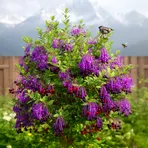
- Indian
A shrub with drooping purple flower spikes and small berries from the Himalayas
Surface Forms
Etymology
Himalaya comes from the Sanskrit parts hima meaning 'snow' and alaya meaning 'home' or 'place'. So the name means 'home of snow', which fits these very high mountains that are often covered in snow.