
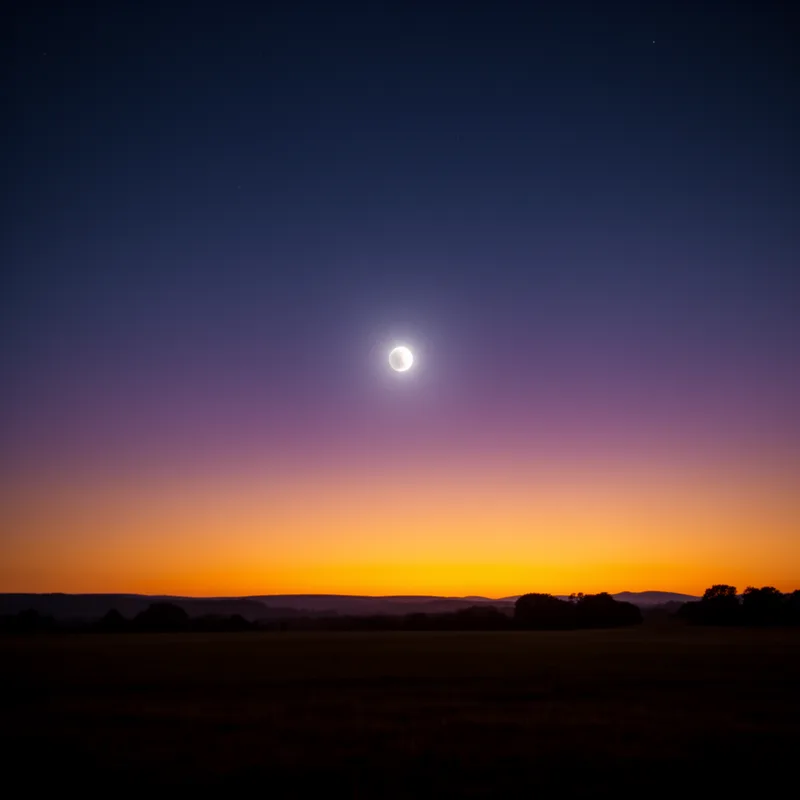
Hesperus
 2
9.9
2
9.9

- proper noun
- /ˈhɛspərəs/
- Literature
- "You know the orbit of Hesperus then?"
- wreck of the Hesperus
Examples
-
It is said, for example, that although one cannot know a priori that Hesperus and Phosphorus are identical, the truth that one learns when one learns of their identity is a necessary truth.
Academic text (1998) -
"There went Hesperus," said Dr. Jones.
Fiction book (1992) -
I know the orbit of Hesperus as I know my hand.
Fiction book (1992) -
I keep my appointment with Hesperus in two hours and twenty-two minutes.
Fiction book (1992) -
In the painting, one of the daughters of Hesperus holds a lyre.
Academic text (2016) -
And though ridge trees obstruct my view of Venus when she is stella splendida, et matutina, the bright and morning star, I get good light from her in years when she is Hesperus in the early dark of winter.
Academic text (1994) -
Hesperus shines brightly in the evening sky, guiding travelers home.
-
Astronomers observe Hesperus as it twinkles above the horizon at sunset.
-
Many cultures have long associated Hesperus with beauty and the arrival of night.
Synonyms
 58
3.6
58
3.6
The second planet from the Sun that shines brightly at dawn or dusk
 2
3.3
2
3.3
A bright planet, usually Venus, seen in the western sky at sunset

The planet Venus seen as a bright star in the western sky at sunset
Surface Forms
Etymology
Hesperus comes from the old Greek root hesper-, which means 'evening' or 'west'. So Hesperus is the 'evening' star — the bright planet Venus you see after sunset.