
Helladic culture
- noun
- /hɛˈlædɪk ˈkʌltʃər/
- Specialized
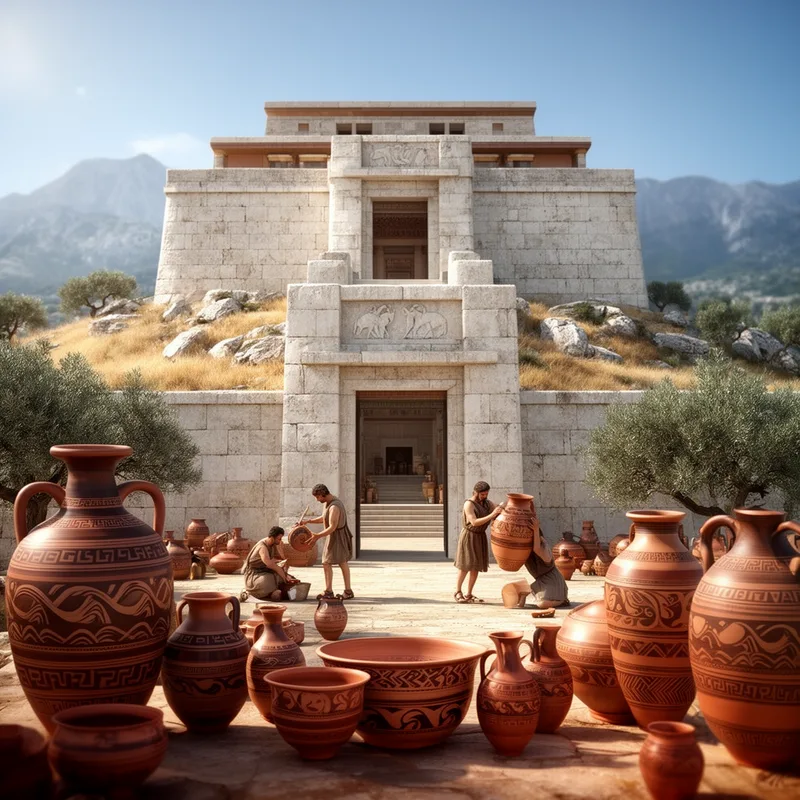
- Archaeologists study pottery to understand the daily life of people during the Helladic culture period.
Examples
-
The transition from Minoan to Helladic culture marked significant changes in ancient Greek society.
-
The discovery of the palace at Mycenae shed new light on Helladic culture.
-
The Helladic culture is known for its impressive pottery.
-
Many artifacts from the Helladic culture have been discovered in Greece.
-
Archaeologists study pottery to understand the daily life of people during the Helladic culture period.
-
The discovery of the palace at Mycenae shed new light on Helladic culture.
-
The transition from Minoan to Helladic culture marked significant changes in ancient Greek society.
Synonyms

A Bronze Age culture in mainland Greece that made bronze tools and large buildings
Surface Forms
Morphology
Helladic + culture
The phrase is compositionally built from 'Helladic' (pertaining to Hellas/ancient Greece) + 'culture', so a learner who knows both constituents can infer it denotes the culture associated with Hellas. However, 'Helladic' is a specialized historical term and the precise Bronze Age timeframe and archaeological sense are encyclopedic details not predictable from the words alone, so full understanding requires extra background knowledge.
Etymology
Helladic culture comes from Hellas, the Greek name for 'Greece', and was chosen by scholars to name the Bronze Age way of life on the Greek mainland. So the name refers to the people, buildings, and pottery made in mainland 'Greece' from about 2500 to 1100 BC.

