

Helenium
- noun
- /həˈlɛniəm/
- Specialized
- The Helenium blooms beautifully in late summer.
Examples
-
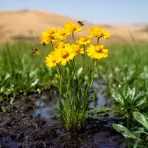
The garden was full of bright yellow Helenium blossoms in late summer.
-
Many gardeners plant Helenium to attract butterflies and bees.
-
Helenium species are often called sneezeweeds because their dried leaves were once used to make snuff.
-
Helenium species are popular in many gardens.
-
The helenium blooms in late summer, adding vibrant color to flower beds when other plants have finished flowering.
-
Many gardeners choose to grow helenium because of their ability to attract butterflies and other pollinators.
-
Sun-loving, late-blooming composites, such as coreopsis, gaillardias, and heleniums, complement goldenrods in texture, form, and color.
Synonyms

A plant with bright flowers whose pollen often makes people sneeze
Compounds

- Specialized
A North American plant that lives for many years with bright yellow flowers in late summer

- Specialized
A plant that lives many years with drooping orange-yellow flowers that can poison sheep
- Specialized
A wildflower with bright yellow flowers that grows in wet places in southern California

- Specialized
A tall herb from Europe and Asia with yellow daisy-like flowers and roots used as medicine
Surface Forms
Etymology
Helenium comes from the old Greek name Helene, linked in stories to Helen of Troy, and it also brings to mind helios 'sun' because the flowers are bright, round, and yellow. A helpful way to remember Helenium is to think of its small sun-like blooms, which fits why people call them 'sneezeweeds' and plant them to attract bees.

