
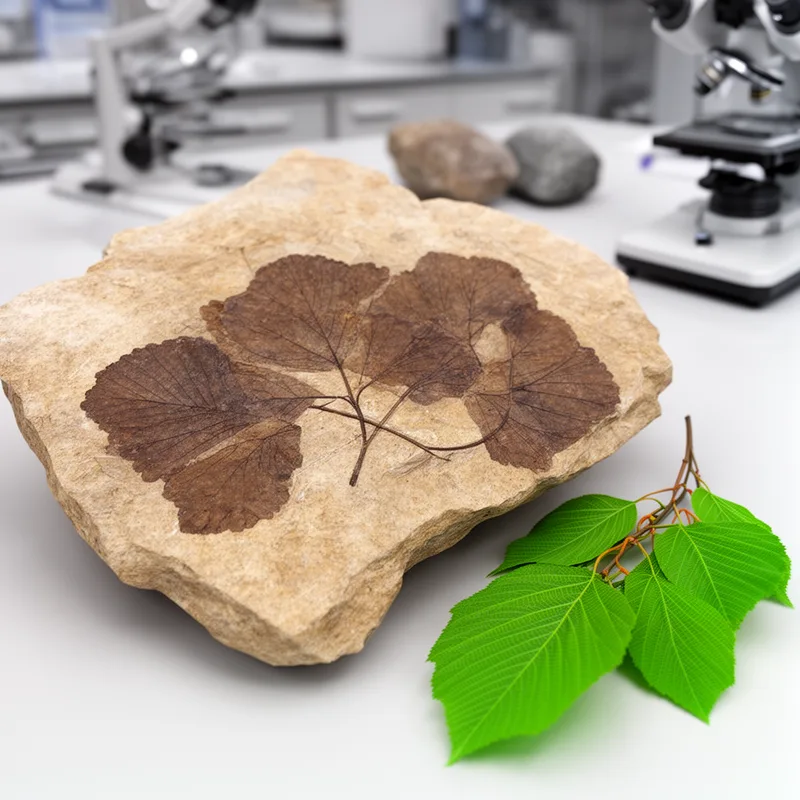
Hamamelites
- noun
- /ˌhæməˈmɛlaɪtiːz/
- Specialized
- The unique venation pattern of Hamamelites helped identify the plant's relationship to modern witch hazel.
Examples
-
Paleobotanists discovered leaves of Hamamelites in the sediment layers of the ancient lake.
-
Studies of Hamamelites fossils reveal important information about prehistoric plant evolution.
-
The Hamamelites were once prevalent in ancient forests.
-
Many fossils have been discovered from the Hamamelites genus.
-
Paleobotanists discovered leaves of Hamamelites in the sediment layers of the ancient lake.
-
Studies of Hamamelites fossils reveal important information about prehistoric plant evolution.
-
The unique venation pattern of Hamamelites helped identify the plant's relationship to modern witch hazel.
Surface Forms
Morphology
Hamamelites = hamamelis (semi-transparent) = hamamel + ites
Formed from the genus name 'hamamelis' (represented here by the recognizable base word) plus the specialist suffix '-ites'; the botanical formation is clear to specialists but the suffix's fossil/taxonomic meaning is technical and not obvious to general learners.
Etymology
Hamamelites comes from the name of the witch-hazel plant, Hamamelis, plus the fossil ending -ites, so it means 'like a witch-hazel' among fossils. That's why Hamamelites are fossil plants named because their leaves look like those of the modern witch-hazel.

