

Hamamelidaceae
- noun
- /ˌhæməˌmɛlɪˈdeɪʃiˌi/
- Specialized
- Witch hazel, a well-known member of the Hamamelidaceae family, is used in skin care products.
Examples
-
The Hamamelidaceae family includes several ornamental shrubs prized for their autumn foliage.
-
Botanists recently reclassified certain species within the Hamamelidaceae.
-
The Hamamelidaceae family includes several unique plants.
-
Many gardeners appreciate the beauty of Hamamelidaceae species.
-
The Hamamelidaceae family features various plants known for their striking flowers and distinctive shapes.
-
In our horticulture class, we studied the characteristics of the Hamamelidaceae family of plants.
-
The Hamamelidaceae are often found in temperate regions, showcasing their adaptability to different environments.
Synonyms
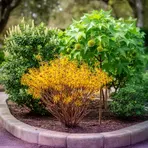
A group of flowering plants that includes witch-hazels and other similar trees and shrubs
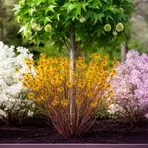
A group of trees and shrubs that have flowers, including witch-hazel and sweetgum

A group of mostly woody flowering plants like trees or shrubs, often with flowers in long hanging clusters
Surface Forms
Morphology
Hamamelidaceae = Hamamelis (opaque) = Hamamelid + aceae
This is a Neo‑Latin botanical family name formed from the genus name Hamamelis plus the specialized taxonomic suffix '-aceae', a formation likely unfamiliar to average learners.
Etymology
Hamamelidaceae comes from the plant genus Hamamelis plus the common plant ending -aceae, which means 'family'. A helpful way to remember it is that Hamamelis is the witch hazel plant and -aceae is the same ending in names like Rosaceae 'rose family' and Fabaceae 'pea family', so Hamamelidaceae simply means 'the family of witch hazel and its relatives'.

