
Gymnodinium


 1
9.9
- proper noun
- /ˌdʒɪm.nəˈdɪn.i.əm/
- Specialized
- Scientists are studying Gymnodinium to understand its impact on marine biodiversity.
Examples
-
Researchers collected samples of Gymnodinium from both freshwater and saltwater environments.
-
Scientists are studying Gymnodinium to understand its role in marine ecosystems.
-
Some species of Gymnodinium are known to produce toxins that affect marine life.
-
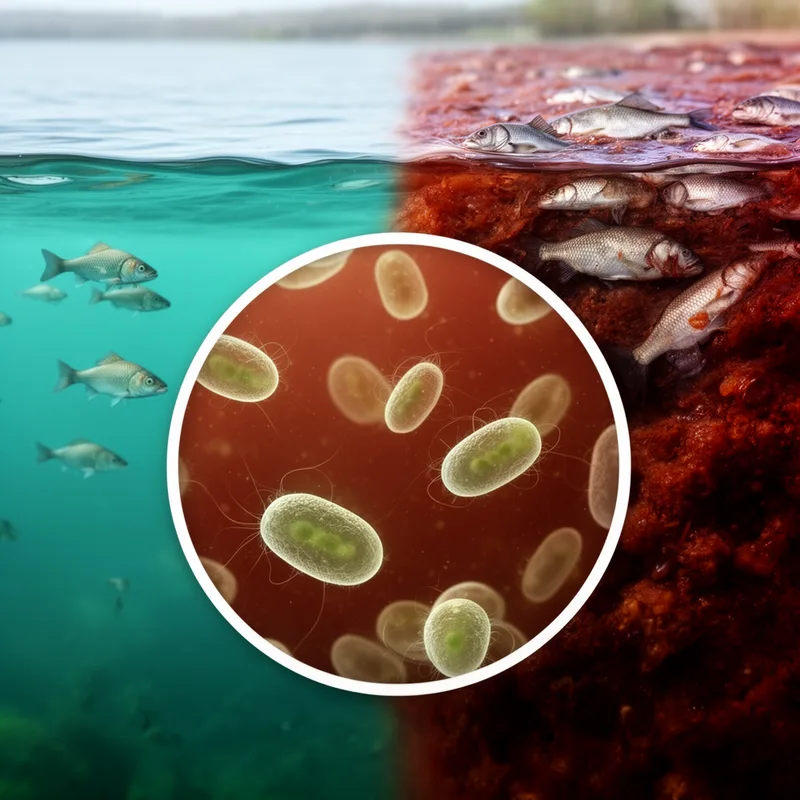
Gymnodinium blooms can sometimes discolor the water and harm fish populations.
-
The Gymnodinium species is known for its bioluminescent properties.
-
The genus Gymnodinium includes species that can lead to harmful algal blooms in coastal waters.
-
Research shows that some species of Gymnodinium play a significant role in aquatic ecosystems.
Surface Forms
Etymology
Gymnodinium comes from Greek parts gymno- meaning 'naked' and -dinium (like the part in 'dinoflagellate') meaning 'to spin', and you can remember gymno- from gymnasium, which once meant a place where people trained 'naked'. So Gymnodinium suggests 'naked, spinning' single cells, which fits these tiny water organisms without hard plates that swim by turning and can sometimes cause harmful blooms.