
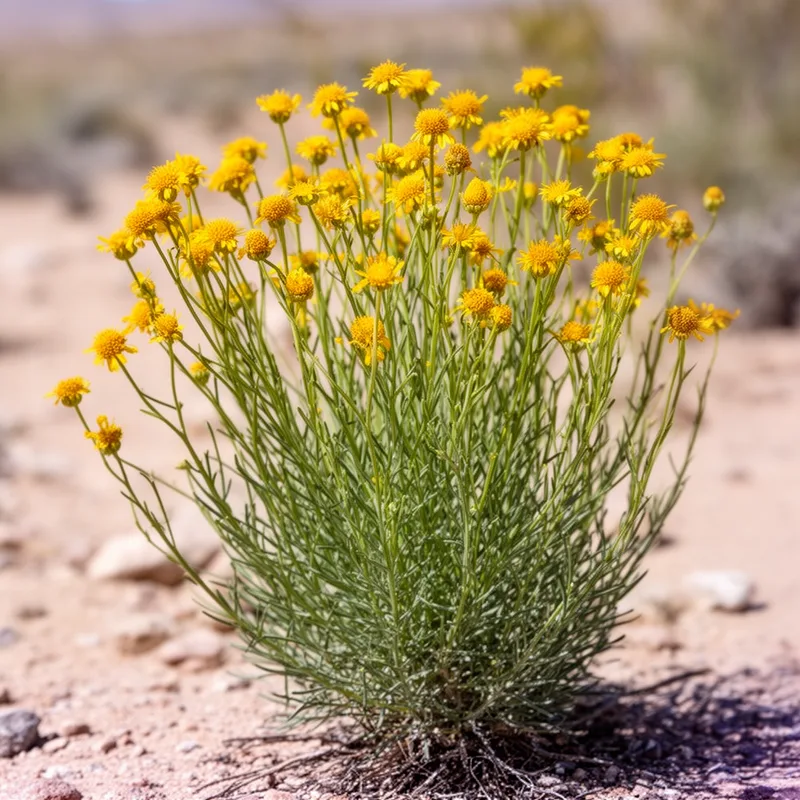
Gutierrezia microcephala
- noun
- Specialized
- Unlike its relative, Gutierrezia microcephala has smaller flower heads with fewer rays.
Examples
-
Gutierrezia microcephala thrives in arid regions of the southwestern United States and northern Mexico.
-
Gutierrezia microcephala is commonly seen blooming in the deserts of the southwestern United States.
-
The botanist collected specimens of Gutierrezia microcephala for further study in the laboratory.
-
The Gutierrezia microcephala is often found in dry, open areas.
-
Many gardeners appreciate the Gutierrezia microcephala for its resilience.
-
The researcher documented the habitat of Gutierrezia microcephala during her field studies.
-
In its native environment, Gutierrezia microcephala can often be spotted growing alongside other wildflowers.
Synonyms

A plant like snakeweed with small flower heads that have fewer petals and fewer small flowers in the center
Surface Forms
Morphology
Gutierrezia + microcephala
This is a Latin binomial (genus + specific epithet). If a learner knows 'Gutierrezia' (a genus of herbs/subshrubs) and can parse 'microcephala' as micro- 'small' + -cephala 'headed', they could infer it denotes a Gutierrezia species with relatively small flower heads; however, recognizing those Greek/Latin roots and binomial naming is specialized knowledge not typical of an average B1 learner, so the relation is only partly transparent.
Etymology
Gutierrezia microcephala is a two-part scientific name: the first part, Gutierrezia, is named after a person called Gutiérrez, and the second part, microcephala, combines micro 'small' and cephala 'head'. So the name literally says the plant has 'small' flower 'heads', which helps explain why this species is noted for its smaller flower heads.

