
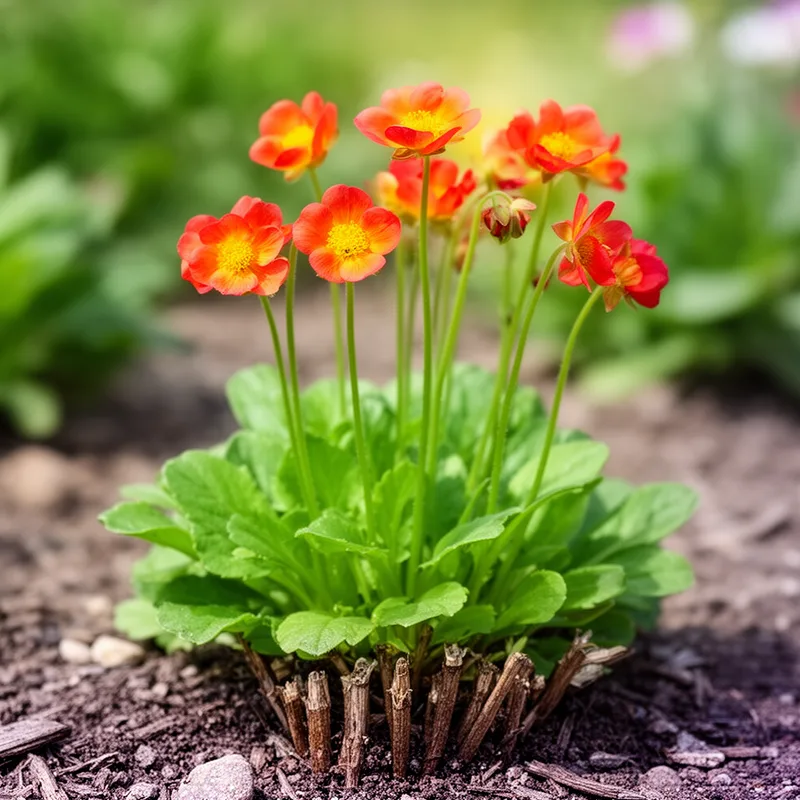
Geum
- noun
- /ɡiːʌm/
- Specialized
- The Geum thrives in well-drained soil and partial sunlight.
Examples
-
Several species of Geum are popular in ornamental gardening for their bright flowers.
-
The Geum plant blooms beautifully in spring.
-
Researchers studied the hybridization of native and non-native Geum in the field.
-
Many gardeners prefer Geums for their vibrant flowers.
-
In my garden, I have several different types of geum that bloom brightly in the summer.
-
The landscaper recommended planting geums along the border to add color and texture.
-
It is best to divide them every three years in the spring, as geums can literally bloom themselves into exhaustion.
Synonyms

A plant that lives for several years with small bright flowers in the rose family

Plants with divided leaves and bright flowers that come back each year
Compounds
- Specialized
A plant that lives for several years with small bright flowers in the rose family

- Specialized
A small bush-like plant with bright yellow flowers that grows back each year
- Specialized
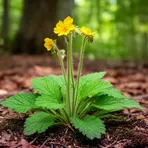
A hairy plant with yellow flowers and large leaves that grows in eastern Asia and North America

- Specialized
A long-lived wildflower that grows in wet meadows with nodding brown-purple flower cups and orange-pink petals

- Specialized
A small hairy plant from Europe and Asia with yellow flowers and a root once used in medicine
Surface Forms
Etymology
Geum probably comes from an old Greek word meaning 'taste' or 'flavour'. This fits the plants because some avens, a kind of small flower, have strong-smelling or strong-tasting roots that people once used like a spice, so the name points to the plant's taste.

