

Fugo
- noun
- /ˈfuːɡoʊ/
- Archaic
- The Japanese developed the Fugo bomb during World War II.
Examples
-
A Fugo was discovered in Oregon decades after the war had ended.
-
The Japanese Fugo balloon bombs caused concern across the west coast of the United States during World War II.
-
During World War II, Japan launched hundreds of Fugo bombs across the Pacific toward North America.
-
The history exhibit featured a reconstructed Fugo balloon as a reminder of the little-known attacks.
-
Many Fugos were launched towards the United States.
-
Historians study the deployment of the Fugo incendiary bombs to understand their impact on wartime strategies.
-
Fugo bombs were designed to travel long distances, using high-altitude winds to reach their targets.
Synonyms


 1
7.9
1
7.9
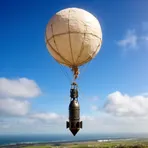
An explosive that a balloon carries to travel far and explode
Surface Forms
Etymology
The word Fugo comes from a Japanese name for a 'balloon bomb', written as fusen bakudan and often shortened to Fu-Go by Allied forces. Because the Japanese name highlights 'balloon' and 'wind', the word helps us remember these were bombs carried long distances by the wind, which is why it means a bomb sent by balloon.