
Eutheria
- noun
- /juːˈθɪəriə/
- Specialized
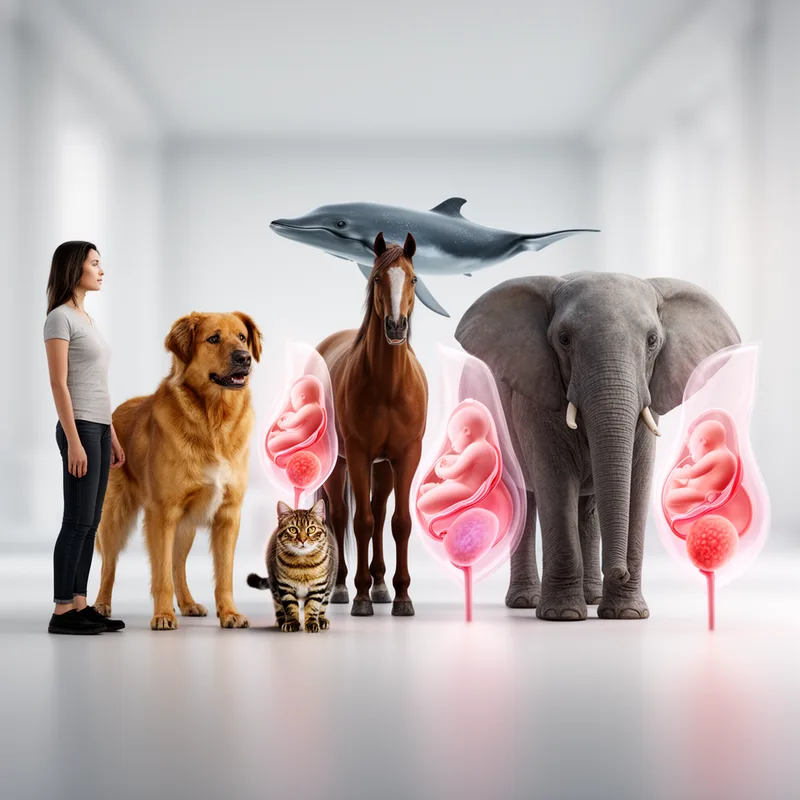
- Unlike monotremes and marsupials, members of Eutheria have complex placental development.
Examples
-
Eutheria includes most familiar mammals, such as dogs, whales, and humans.
-
All placental mammals are classified under Eutheria, which sets them apart from other groups.
-
The evolutionary history of Eutheria has been an important subject in mammalian paleontology.
-
The class Eutheria includes various species of mammals.
-
Did you know that Eutheria are known for their complex reproductive systems?
-
Eutheria consists of diverse mammals, such as elephants, cats, and monkeys.
-
The reproductive traits of Eutheria are considered advanced compared to monotremes.
Surface Forms
Morphology
Eutheria = eu + theria
A specialist Neo‑Latin/taxonomic formation using Greek combining forms; the technical meaning 'placental mammals' is not predictable by an average B1 learner from the parts.
Etymology
Eutheria comes from Greek parts eu- 'good' or 'true' and therion 'beast'. So Eutheria means 'true beasts' and names the group of mammals that includes most familiar animals, like dogs, whales and humans.

