

Erythroxylon coca
- noun
- NSFW
- The leaves of Erythroxylon coca have been used for centuries by indigenous peoples in the Andes.
Examples
-
The leaves of Erythroxylon coca are traditionally chewed by indigenous people in the Andes to increase energy and reduce hunger.
-
Many indigenous people in Peru chew Erythroxylon coca leaves.
-
Large plantations of Erythroxylon coca are often found in regions of Peru and Bolivia.
-
Scientists study Erythroxylon coca to better understand its active chemical compounds.
-
The leaves of Erythroxylon coca have been used for centuries.
-
In the Andes, Erythroxylon coca is often cultivated for its leaves, which have cultural and medicinal importance.
-
Farmers in Bolivia grow Erythroxylon coca to produce traditional remedies and beverages.
Synonyms
 11
9.3
11
9.3

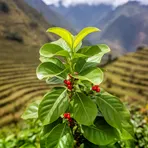
A South American shrub with leaves that are a natural source of cocaine
 1
7.0
1
7.0
A South American shrub with leaves that people chew and that contain cocaine
Surface Forms
Morphology
This is a taxonomic binomial combining a genus name (Erythroxylon: shrubs) with a species epithet (coca: the Andean shrub with narcotic alkaloids), so a learner who knows both constituents can infer it denotes that specific shrub. The composition follows a clear, cross-linguistic scientific naming pattern and does not involve idiomatic or metaphorical shift, making the meaning derivable from the parts.
Etymology
Erythroxylon coca combines erythro ('red') and xylon ('wood') with the local word coca for the leaf. The 'red wood' part comes from the plant's reddish stems and 'coca' was the name people in the Andes used for the leaf, so the name means the South American shrub whose leaves are chewed and are the natural source of cocaine.