

Doctor of the Church
 1
9.6
1
9.6

- noun
- Formal
- Some amazing saints like John of Avila, recently made Doctor of the Church, spent hundreds of years as Venerables or Blesseds.
Loading YouTube…
Watch on YouTubeOh well, he is a doctor of the church.
- Oh well, he is a doctor of the church.
Examples
-
However, the Doctors of the Church also lead prayer services and the Divine Service in the Chapel every day.
Blog text (12) -
In the classroom, you hear the Doctors of the Church bring to light the Word of God.
Blog text (12) -
The Doctors of the Church
Blog text (5) -
In celebration of the two new Doctors of the Church
Blog text (15) -
I was amazed to read today that she was only made a Doctor of the Church in 1997.
Blog text (2) -
September 30 is the feast of St. Jerome, Doctor of the Church, patron of libraries.
Blog text (3) -
I never claimed that modern theology is superior to the teachings of St. Thomas, St. Augustine, or the other great doctors of the Church.
Blog text (6) -
The video was produced before Pope Benedict named John of Avila as the 34th Doctor of the Church.
Blog text (5) -
Among the scholastic theologians and doctors of the Church, perhaps St. Bonaventure has given the most helpful model for what we have in mind.
Academic text (1990) -
On October 7, she was elevated to Doctor of the Church, a rare and solemn title reserved for theologians who have significantly impacted Church doctrine.
Synonyms
 555
9.1
555
9.1
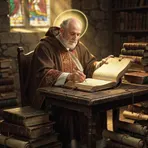
A saint honored by the Roman Catholic Church for important writings that explain its teachings
Surface Forms
Morphology
The phrase literally combines 'doctor' (an expert or honorific title) with 'of the church', so a B1 learner who knows both words could reasonably infer it refers to an expert or honored person connected with the church. However, the precise institutional meaning—a formal Catholic title bestowed on certain saints for contributions to theology—is a specialized, culture-specific status not fully predictable from the parts, so the expression is only partially transparent.
Etymology
Doctor of the Church comes from the old use of the word doctor, which meant 'teacher'. The Church gave this title to saints whose books and teachings helped many people understand the faith, so it now means a saint honored for important religious teaching.