
Dis
 4
9.9
4
9.9

- proper noun
- Literature
- And when you go to Dis's kingdom, you'll leave behind—what shall I say?
Examples
-
Joyce did not limit himself to Dante's portrayal of Dis but ranged through much of the rest of the tradition.
Academic text (1991) -
In a place truly wild and desolate, he found the last marker, a shrine dedicated to Dis, lord of the underworld.
Fiction book (2001) -
A key stage in his journey is thus represented by his encounter with the god Dis.
Academic text (2008) -
A detail not yet accounted for is Dante's reference to Dis as a bird.
Academic text (1991) -
Joyce uses the images and words associated with Dis to suggest the satanic in several other characters.
Academic text (1991) -
Frost's Eurydice greets the oncoming shadow of Dis or Pluto, the dark underground stranger.
Academic text (2008) -
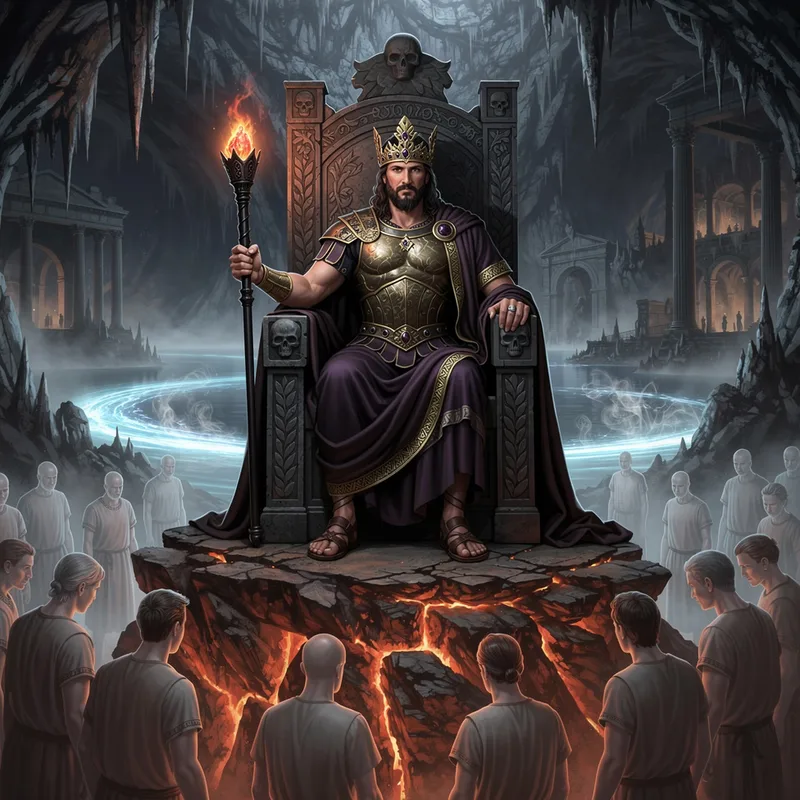
In Roman mythology, Dis is often depicted as a powerful ruler of the underworld.
-
The poet vividly describes Dis as a figure shrouded in darkness and mystery.
-
In ancient texts, Dis represents the inevitability of death and the afterlife.
Synonyms
 98
8.2
98
8.2
The god in Greek myths who rules the place of the dead
 22
9.5
22
9.5
An Egyptian god who rules the world of the dead and judges people after death
 7
6.6
7
6.6
The Roman god who rules the land of the dead


 1
9.9
1
9.9
A Roman god of the underworld who punishes the dead and people who break promises

A Roman god who rules the underworld

Greek god who rules the land of the dead and is Persephone's husband
Idioms


Surface Forms
Etymology
Dis comes from the Roman name Dīs Pater, which meant 'rich father' and came from the Latin word dives 'rich' because people thought gold and other wealth lay under the earth. So Dis became the name of the god of the underworld, linking the idea of riches below the ground to the ruler of the world of the dead.