
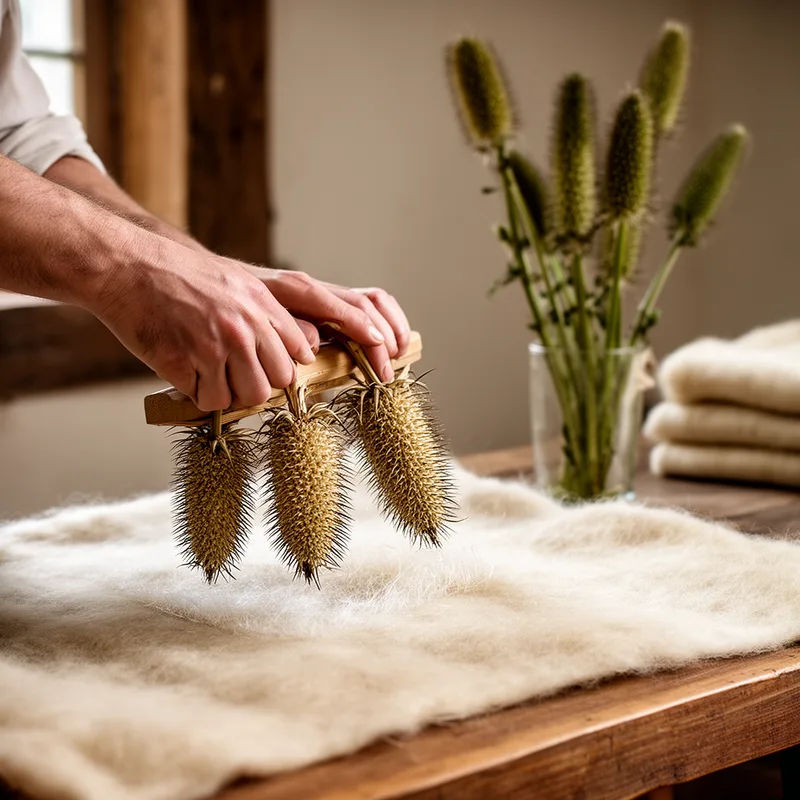
Dipsacus sativus
- noun
- Specialized
- Dipsacus sativus has been traditionally used to raise the nap on wool fabrics.
Examples
-
The spiny flower heads of Dipsacus sativus are distinctive and easily recognized by botanists.
-
In some regions, Dipsacus sativus has become naturalized outside its native range.
-
Dipsacus sativus was commonly cultivated for use in wool processing during the 18th century.
-
The Dipsacus sativus plant is known for its unique flower heads.
-
Many gardeners appreciate Dipsacus sativus for its ornamental value.
-
Craftsmen often relied on Dipsacus sativus for its prickly flower heads in textile production.
-
Farmers cultivated Dipsacus sativus due to its effectiveness in preparing wool for dyeing.
Synonyms


 1
9.9
A tall prickly plant with spiny flower heads used to brush wool
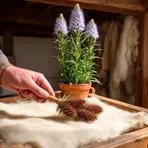
A tall prickly plant with cone-shaped flower heads once used to brush wool cloth to make it soft

A prickly wild plant with round flower heads used in dried flower arrangements
Surface Forms
Morphology
Dipsacus + sativus
This is a Latin binomial (genus + specific epithet) naming a species of Dipsacus, so if a learner knows 'Dipsacus' (the teasel genus) they can compositionally infer it refers to a particular species. However, the second element 'sativus' is not an English lexical item and understanding the full meaning depends on knowledge of botanical/Latin naming conventions, so the transparency is only partial.
Etymology
Dipsacus sativus is a kind of teasel with spiky flower heads that was grown for cloth work. People used those spikes like a natural brush to comb wool and raise the 'nap', meaning the soft surface on cloth, so the plant became famous for helping finish fabric.