
Dieffenbachia sequine
- noun
- /ˌdiːfənˈbɑːkiə sɪˈkwɪni/
- Specialized
 :
Dieffenbachia sequine
:
Dieffenbachia sequine
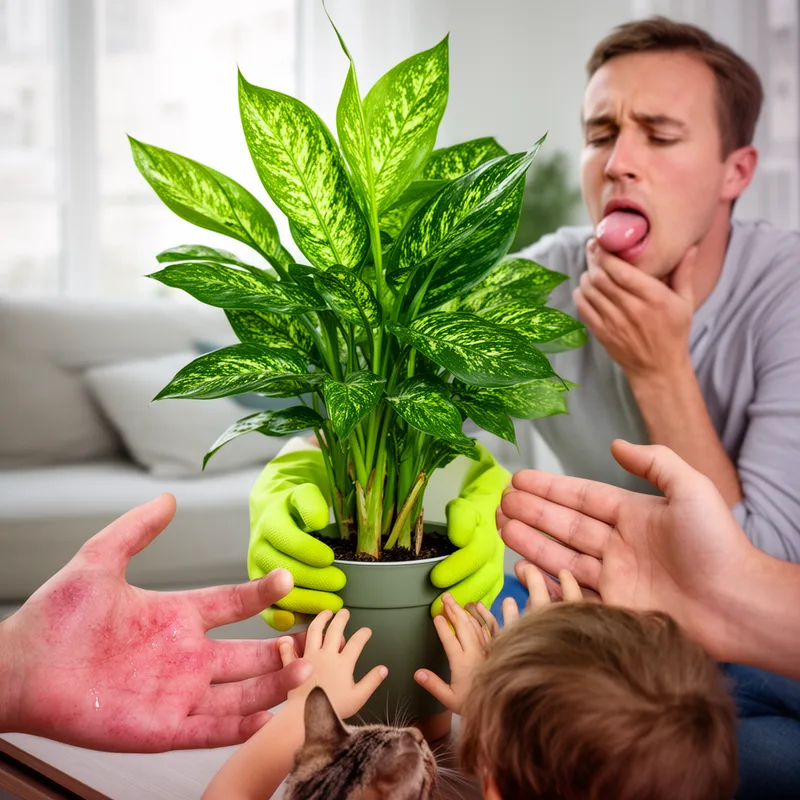
- You should keep Dieffenbachia sequine out of reach of pets and children due to its toxic sap.
Examples
-
When handling Dieffenbachia sequine, it's advisable to wear gloves to avoid skin irritation.
-
The Dieffenbachia sequine is a popular choice for indoor decoration because of its striking foliage.
-
The Dieffenbachia sequine is a popular houseplant.
-
Many people admire the Dieffenbachia sequine for its beauty.
-
The Dieffenbachia sequine is often chosen as a houseplant due to its beautiful, large leaves.
-
It's important to place the Dieffenbachia sequine in a location where pets cannot access it, as it can be harmful.
-
Many gardeners appreciate the Dieffenbachia sequine for its ability to thrive indoors and add aesthetic value.
Synonyms
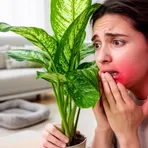
A common houseplant with large green leaves that can make your mouth and throat swell if eaten

An indoor plant with large dark leaves that can make your tongue and throat swell if eaten

A tropical evergreen plant with large attractive leaves and poisonous sap
How Poisonous
 3
8.2
3
8.2


- Specialized
Surface Forms
Morphology
Dieffenbachia + sequine
This is a botanical Latin binomial rather than a compositional English phrase: 'Dieffenbachia' is a genus name (a proper noun) and 'sequine' is not a transparent English word, so a B1 learner who 'knows the constituent words' would not be able to infer the plant meaning. Recognizing this MWE requires specific lexical/botanical knowledge rather than productive composition, so it is not derivable from the parts.
Etymology
Dieffenbachia sequine was named after a gardener called Dieffenbach who helped bring these large, showy-leaf plants to Europe. The plant is often called 'dumb cane' because its sap can make your tongue and throat swell and make you unable to speak, so this story helps you remember it is a tropical plant with dangerous sap.