
Dematiaceae
- noun
- /ˌdɛm.əˈtiː.əˌsiː/
- Specialized
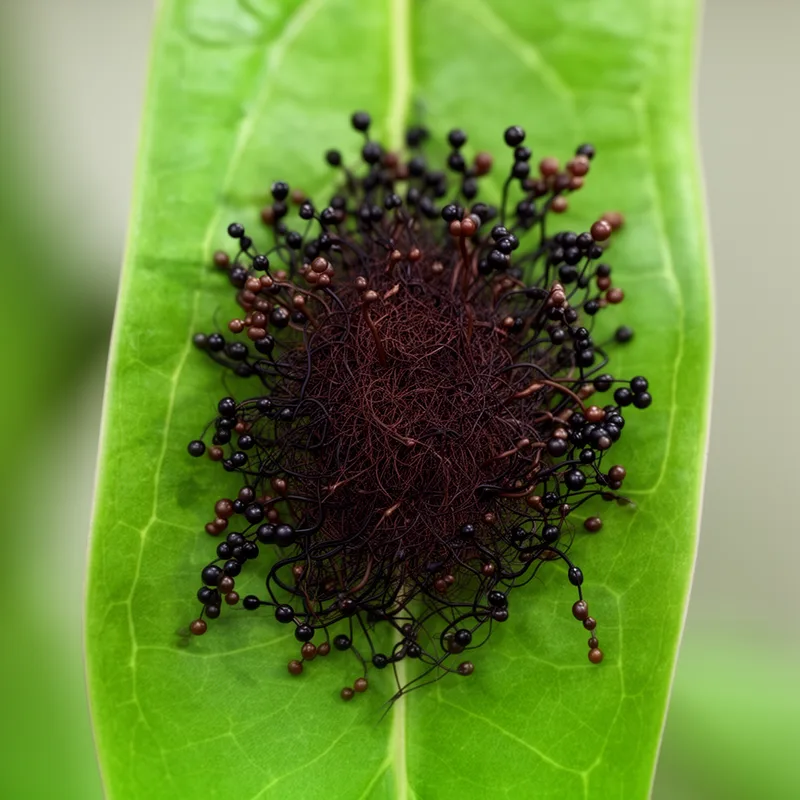
- The Dematiaceae are noted for their darkly pigmented hyphae, giving them a characteristic appearance.
Examples
-
Many species within the Dematiaceae can cause plant diseases and are studied by plant pathologists.
-
Identification of Dematiaceae often relies on the color and structure of their conidia.
-
The Dematiaceae family includes several species of fungi.
-
Many Dematiaceae fungi thrive in humid environments.
-
Identification of Dematiaceae often relies on the color and structure of their conidia.
-
Many species within the Dematiaceae can cause plant diseases and are studied by plant pathologists.
-
The Dematiaceae are noted for their darkly pigmented hyphae, giving them a characteristic appearance.
Surface Forms
Morphology
Dematiaceae = Dematium (opaque) = Demati + aceae
The suffix '-aceae' regularly marks a biological family, but this is specialized taxonomic morphology that most general learners would not infer from the genus name alone.
Etymology
Dematiaceae comes from a scientific root demati- meaning 'dark' plus the family ending -aceae, which names a 'family' of plants or fungi. So, Dematiaceae refers to a 'dark' family of fungi, which fits because these fungi have dark threads or spores.

