
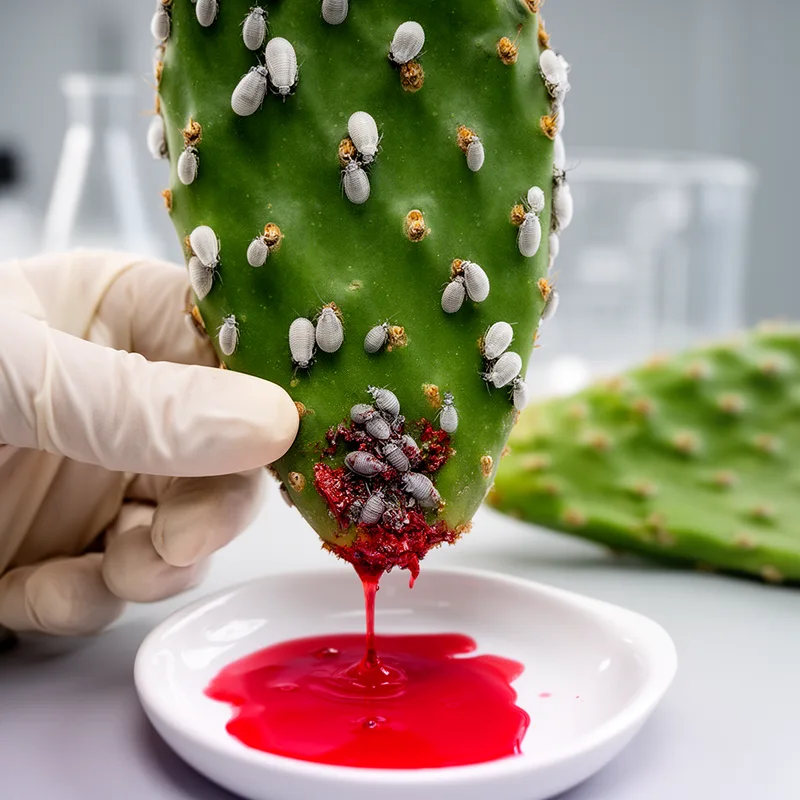
Dactylopiidae
- noun
- /ˌdæk.tɪˈloʊ.pɪˌaɪ.di/
- Specialized
- Some Dactylopiidae are vital for producing natural red dye from cochineal insects.
Examples
-
The distribution of Dactylopiidae is closely tied to cactus plants, their primary hosts.
-
Researchers found new species within the Dactylopiidae family in South America.
-
The Dactylopiidae family includes various species.
-
Did you know that Dactylopiidae are used to create carmine dye?
-
Some Dactylopiidae are essential for producing carmine dye, which is used in cosmetics and food.
-
The Dactylopiidae family is known for its role in dye production, particularly from the cochineal insect.
-
Researchers study the Dactylopiidae family to understand their ecological impact on cactus populations.
Surface Forms
Etymology
Dactylopiidae comes from the scientific name Dactylopius; the part dactyl- means 'finger' in Greek (you see it in pterodactyl) and the ending -idae means an animal 'family'. A helpful way to remember it is that Dactylopiidae is the family of those cochineal insects that live on cacti and are used to make red dye.

