

Culex
- noun
- /ˈkjuːlɛks/
- Specialized
- The most important mosquito vectors are thought to be Culex species (Andreadis et al. 2001).
- Culex species
Examples
-
The Culex mosquito is easily recognized by its habit of resting with its body parallel to the surface.
-
Once she obtains blood, a female Culex needs about five days to digest it and form a batch of eggs.
Academic text (1992) -
Culex species are the predominant vectors of WNV.
Academic text (2007) -
In 2001, fewer mosquitoes were collected overall, but Ae. vexans or Culex species were found in each of the five collection sites.
Academic text (2007) -
Some Culex species (including nigripalpus) do have seasonal favorites, preferring birds in winter and spring.
Academic text (1992) -
Other problematic Culex species that are present in North Carolina include Cx. restuans, Cx. salinarius, and Cx. quinquefasciatus.
Academic text (2007) -
The earliest species found positive for WNV were Aedes vexans, Culex pipiens, Culex restuans, and Culex salinarius (Godsey et al., 2005).
Academic text (2007) -
In tropical areas, you can often find Culex larvae in stagnant water during the rainy season.
-
The Culex genus includes several species that are known carriers of diseases like West Nile virus.
Synonyms
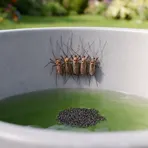
A group of mosquitoes that hold their bodies parallel to the surface when resting
Compounds
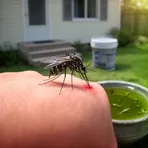
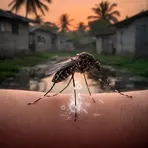
- Specialized
A common tropical mosquito that spreads worms and other diseases to people
- Specialized
A group of mosquitoes that hold their bodies parallel to the surface when resting
Surface Forms
Etymology
Culex comes from the old Latin word culex, which meant 'gnat' or 'small mosquito'. So scientists used that simple Latin name for this genus, and Culex still just means a small mosquito today.

