

Cortes
 6
7.2
6
7.2

- proper noun
- /ˈkɔrˌtɛs/
- In 1519, Cortes conquered the Aztec Empire, assisted by Amerindians under the Aztec domain.
- Hernán Cortes
- Cortes conquered Mexico
Examples
-
At this moment, a second Spanish expedition, sent by the Governor of Cuba, an enemy of Cortes, arrived on the coast.
Academic text (1992) -
In 1519, Hernan Cortes sailed to the New World with a few hundred men.
Fiction book (1992) -
Leaving a contingent of soldiers behind, Cortes went to meet it.
Fiction book (1992) -
We all know the Aztecs ruled all of Mexico before Cortes conquered them in 1533.
-
In 1519, Cortes led a small army to Mexico, aiming to conquer the powerful Aztec Empire.
-
The actions of Cortes in Mexico significantly changed the course of history for the indigenous people.
-
Many historians study Cortes to understand the impact of European colonization in the Americas.
Synonyms

A Spanish soldier who led the expedition that conquered the Aztec Empire

A Spanish soldier who led the conquest of the Aztec Empire in Mexico

A Spanish soldier and explorer who led the conquest of the Aztec Empire
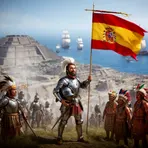
A Spanish leader known for defeating the Aztec Empire and making Mexico part of Spain
Compounds

Surface Forms
Etymology
Cortes is a Spanish family name from cortés, which means 'courteous' or 'of the court'. Think of the English word court — this helps you remember that the name once described someone who lived or worked at a ruler's court, and so became a surname.