
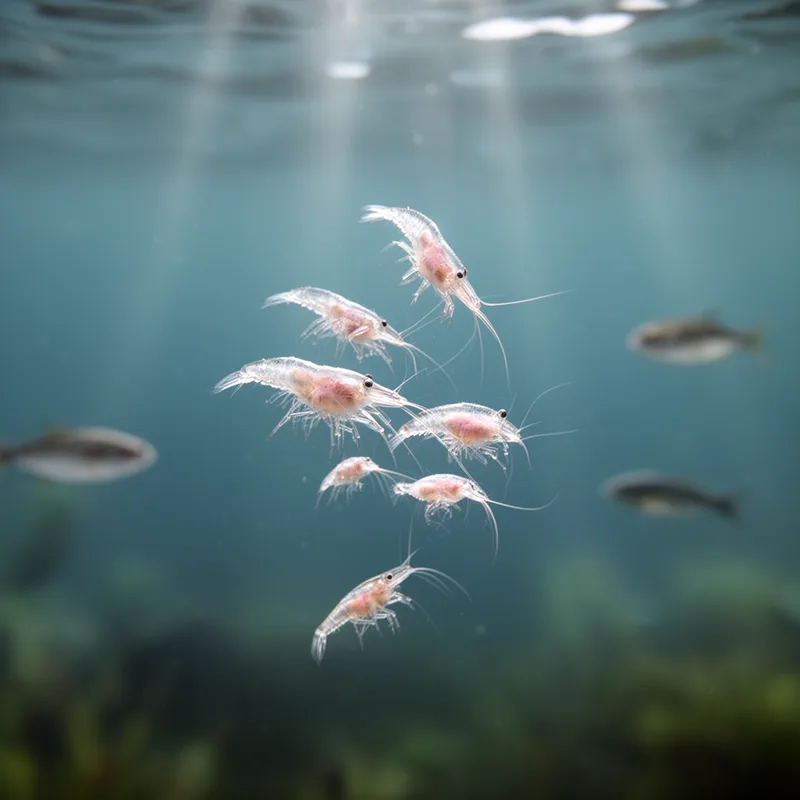
Copepoda


 1
9.9
- noun
- /koʊˈpɛpədə/
- Specialized
- Scientists study Copepoda to better understand aquatic ecosystems.
Examples
-
Many species within the Copepoda are important components of marine food webs.
-
The Copepoda are essential to marine ecosystems.
-
The diversity of Copepoda can be found in both saltwater and freshwater environments.
-
Many fish feed on Copepoda in the ocean.
-
Copepoda are an important part of the marine food web, serving as food for many fish species.
-
Scientists study Copepoda to understand their role in aquatic ecosystems and nutrient cycling.
-
The diversity of Copepoda in a freshwater lake can indicate the overall health of that ecosystem.
Synonyms
 1
9.9
A very small water animal like a tiny shrimp that swims in plankton or lives on fish
Surface Forms
Etymology
The word Copepoda comes from Greek parts kope and -poda, meaning 'oar' and 'foot'. That's why these small crustaceans are like 'oar-foot' animals: their paddle-like legs help them swim in saltwater and freshwater.