
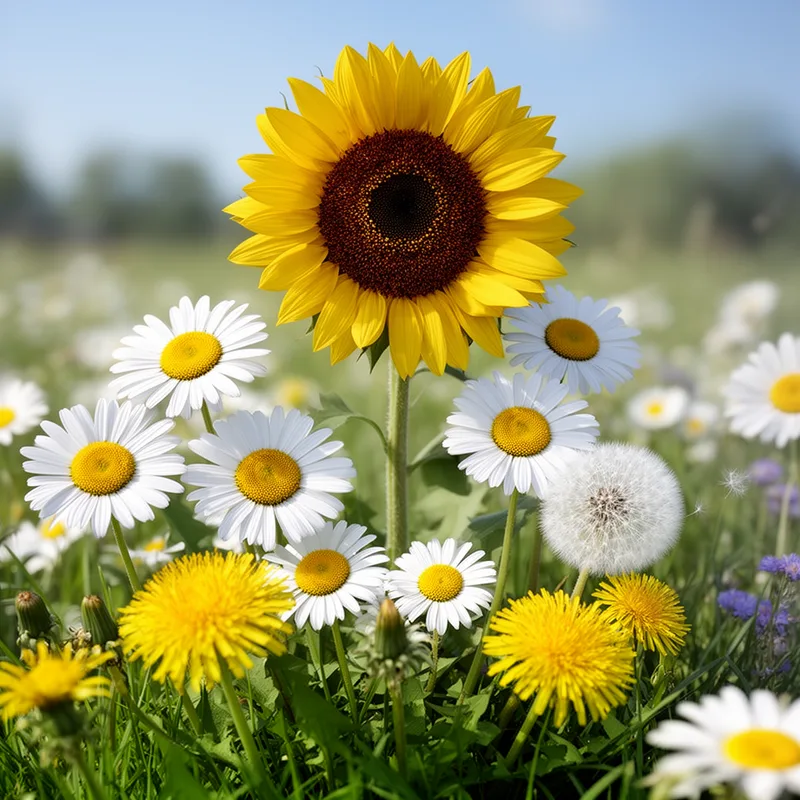
Compositae
- noun
- /kəmˈpɒzɪti/
- Specialized
- PHOTO (COLOR): Mountain Burnet Moth (Zygaena exulans) feeds on compositae sp.
- family Compositae
Examples
-
By contrast, the preferential destruction of organelle DNA occurs in plants such as the Compositae, which have a relatively small cytoplasm-to-nucleus ratio.
Academic text (1996) -
All daisies belong to the family Compositae (Asteraceae), so named because the blossoms are composite, consisting of a crowd of small disk flowers surrounded by one or more layers of large ray petals.
-
Chamomile is a native of the Old World and is a member of the daisy family (Asteraceae or Compositae).
-
Asters, named for the Latin word for star, are members of the family Compositae and exhibit the group's typical daisylike flower heads.
Synonyms
A large group of plants with flower heads made of many small flowers, like daisies and sunflowers
A family of plants that have flowers like daisies and sunflowers
Surface Forms
Etymology
Compositae comes from Latin parts com- 'together' and ponere 'to place' and is like the English word composite, which means 'made of parts'. That's why these plants are called Compositae: each 'flower head' is actually 'made of' many small flowers joined together.

