

Cochlearia
- noun
- /ˌkoʊkliˈɛəriə/
- Specialized
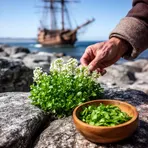
- The leaves of Cochlearia were once carried by sailors to prevent scurvy during long sea voyages.
Examples
-
The Cochlearia plant is known for its high vitamin C content.
-
Cochlearia thrives along coastal areas where the salty environment suits its growth.
-
Botanists studied the medicinal properties of Cochlearia in treating nutritional deficiencies.
-
Many coastal regions are home to Cochlearia species.
-
The leaves of Cochlearia were once carried by sailors to prevent scurvy during long sea voyages.
-
Botanists studied the medicinal properties of Cochlearia in treating nutritional deficiencies.
-
Cochlearia thrives along coastal areas where the salty environment suits its growth.
Synonyms

A small coastal plant with yellow flowers high in vitamin C
Compounds
- Specialized
A small coastal plant called scurvy-grass that contains vitamin C and helps prevent scurvy
Surface Forms
Etymology
The word Cochlearia comes from the Latin root cochlear, which means 'spoon', because the plant's round leaves look like little spoons. Sailors once carried these coastal plants, called scurvy-grass, for their vitamin C, so the name now points to a seaside plant used to help prevent scurvy.

