

Citrus paradisi
- noun
- /ˈsɪtrəs pəˈreɪdiˌsi/
- Specialized
- The Citrus paradisi tree is known for its large, yellow grapefruits.
Examples
-
The Citrus paradisi thrives in subtropical climates with well-drained soil.
-
Botanists studied the Citrus paradisi to understand the origins of the grapefruit.
-
The commercial production of Citrus paradisi has increased significantly in recent years.
-
The Citrus paradisi tree thrives in warm climates.
-
Many people enjoy the fruit of the Citrus paradisi.
-
Farmers in Florida cultivate Citrus paradisi for its juicy, tangy fruits.
-
In tropical regions, Citrus paradisi adds a distinctive flavor to many dishes.
Synonyms
 57
1.0
57
1.0

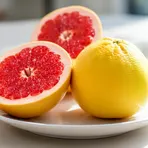
A large round yellow fruit with juicy slightly sour flesh or the tree that grows it
Surface Forms
Morphology
Citrus + paradisi
The first element 'Citrus' clearly signals the genus (a citrus fruit/tree), so a B1 learner knowing that would infer it denotes a kind of citrus plant. However 'paradisi' is a Latin specific epithet (not a common English word) and does not transparently indicate the exact referent 'grapefruit', so the overall meaning is only partially recoverable.
Etymology
Citrus paradisi is a scientific name that may come from a simple picture: citrus names the orange family and paradisi means 'paradise', because early growers in the Caribbean thought this large, sweet-tart fruit was like an orange from paradise. So the name became the formal label for the fruit we call the 'grapefruit'.