
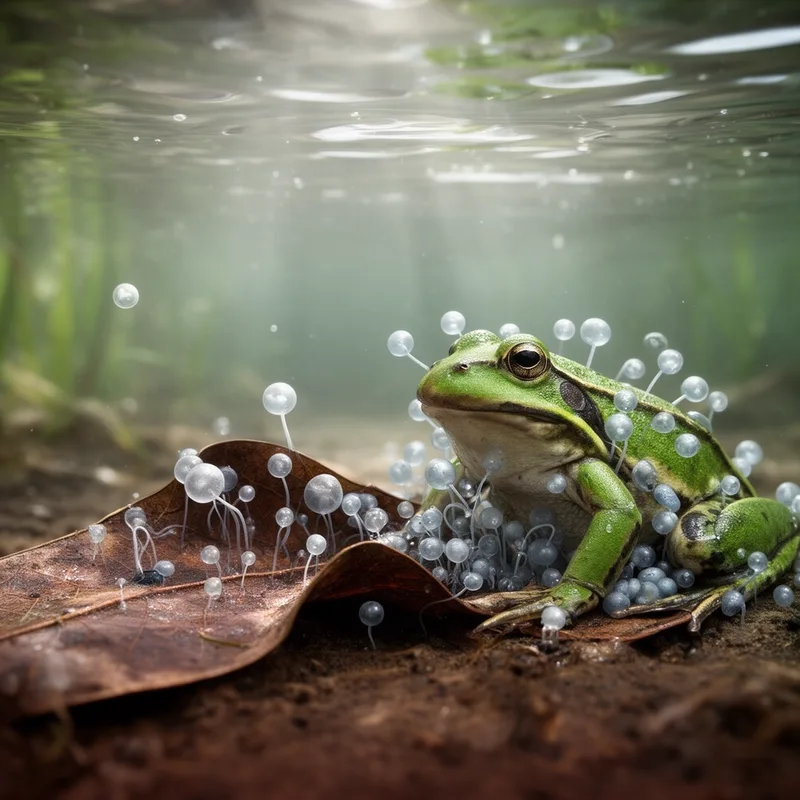
Chytridiomycetes
- noun
- /ˌkaɪtrɪdiˈoʊmaɪˌsiːtiːz/
- Specialized
- Chytridiomycetes play a crucial role in the decomposition of organic matter in aquatic environments.
Examples
-
Scientists have discovered that some Chytridiomycetes are responsible for diseases in amphibians.
-
The unique reproductive structures of Chytridiomycetes distinguish them from other classes of fungi.
-
The Chytridiomycetes class includes many aquatic fungi.
-
Some species of Chytridiomycetes are harmful to amphibians.
-
The unique reproductive structures of Chytridiomycetes distinguish them from other classes of fungi.
-
Scientists have discovered that some Chytridiomycetes are responsible for diseases in amphibians.
-
Chytridiomycetes play a crucial role in the decomposition of organic matter in aquatic environments.
Synonyms

 1
9.9
1
9.9

A fungus that lives in water or soil and can infect and sometimes kill frogs
Surface Forms
Etymology
The word Chytridiomycetes comes from Greek parts chytridion 'little pot' and mykes 'fungus'. It literally means 'little pot fungus' and refers to the small pot-shaped parts many of these water fungi use to release spores and reproduce.