
Chlamydomonadaceae
- noun
- /kləˌmɪdəˈmoʊnəˌdeɪʃi/
- Specialized
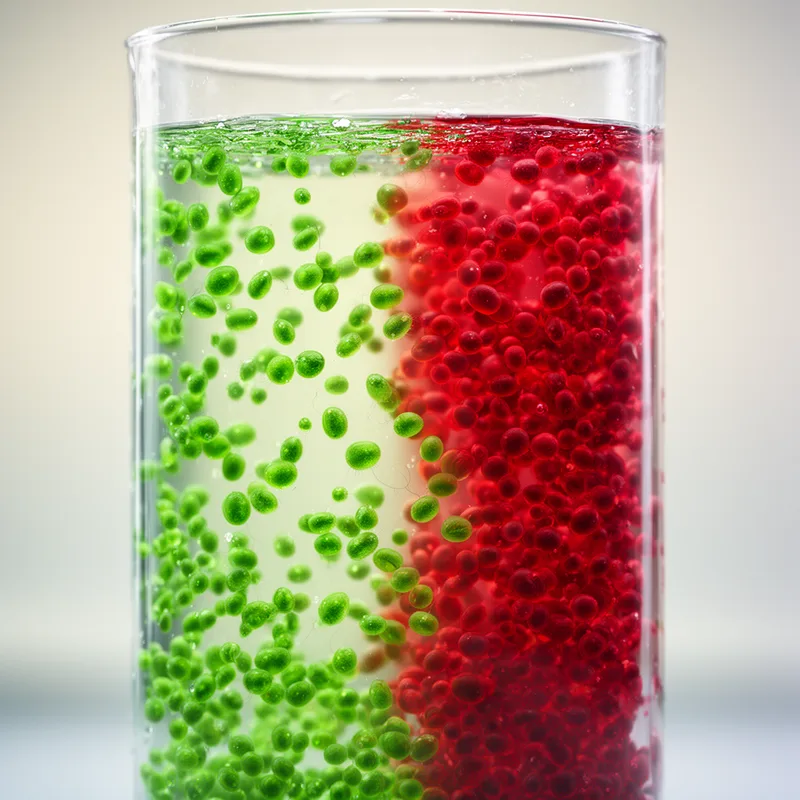
- Some members of the Chlamydomonadaceae family can turn water red due to hematochrome.
Examples
-
The distinctive pigments in Chlamydomonadaceae are used to study photosynthesis.
-
The family Chlamydomonadaceae includes various species of green algae.
-
Research on Chlamydomonadaceae has led to a better understanding of algal evolution.
-
Some members of the Chlamydomonadaceae family are known for their red pigment.
-
Some members of the Chlamydomonadaceae family can turn water red due to hematochrome.
-
Research on Chlamydomonadaceae has led to a better understanding of algal evolution.
-
The family Chlamydomonadaceae includes various species of green algae.
Surface Forms
Morphology
Chlamydomonadaceae = Chlamydomonad (opaque) = Chlamydomonad + aceae
This is a specialized taxonomic formation: the family-name suffix '-aceae' creates a scientific label that is not transparently meaningful to average learners.
Etymology
Chlamydomonadaceae comes from Greek parts chlamydo- 'cloak', mono- 'single', and the plant-family ending -aceae. A helpful image is a 'family' of single-celled algae wearing tiny cloaks, which makes sense for this family of green algae, some of which can turn water red.

