
Chekist


 1
9.9
- noun
- Literature
- Several historical novels depict Chekists as shadowy figures who meticulously monitored the population for any signs of rebellion.
Examples
-
For their part, the dealers look at the narrator and assume that he is a Chekist.
Academic text (1999) -
They ascribe to him a long list of Chekist crimes.
Academic text (1999) -
In this story, apparently a very early one, (n36) Il'f imagines a disturbing meeting between a group of Jews who are Nepmen and a Jew whom they imagine to be a Chekist.
Academic text (1999) -
Someone said sarcastically, "That's really a thought to warm a man's heart: you thought you were dead and gone when all of a sudden you wake up again, happy and contented, in the shit of some Chekist who ate the meat of a calf that grazed on the grass growing on your grave."
Fiction book (1993) -
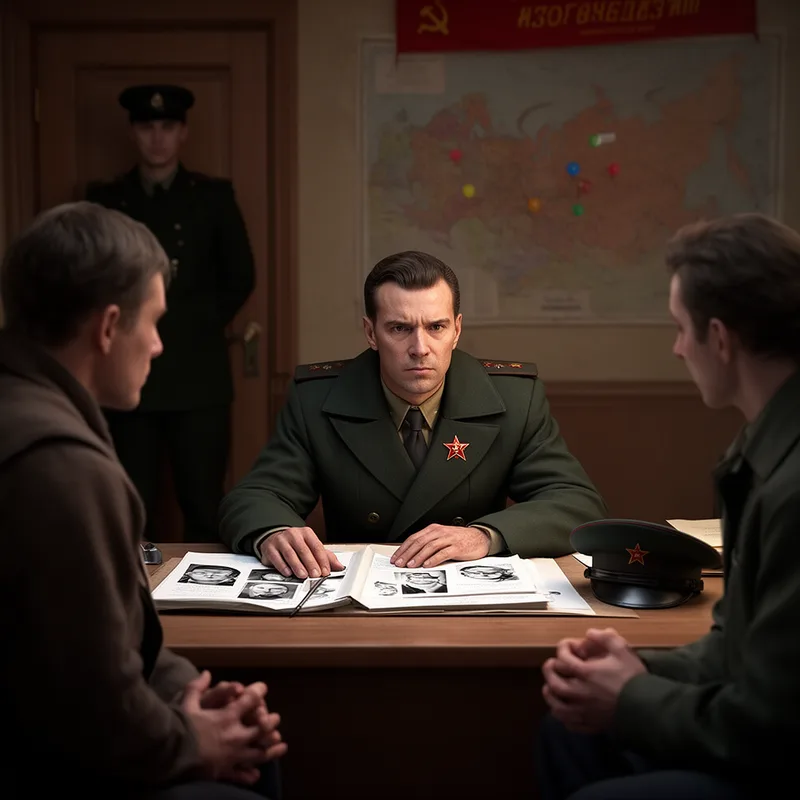
The Chekist interrogated the dissident in a dark room, seeking to suppress any opposition to the regime.
-
In Soviet times, a Chekist was feared by many, as they were known for their ruthless methods to eliminate threats.
Synonyms
 31
6.6
A group that works for the government in secret to watch and punish people who oppose it
Surface Forms
Morphology
Chekist = Cheka (semi-transparent) = cheka + ist
Formed from the proper name 'Cheka' plus the productive suffix '-ist' meaning 'member of', but the referent 'Cheka' is a specific historical organization unfamiliar to many learners.
Etymology
Chekist comes from the Russian name for the first Soviet secret police, the Cheka. It first meant 'a member of the Cheka' and later was used for secret police officers in later Soviet agencies. The ending -ist means 'a person who', so today Chekist means a secret police officer who worked to stop people who opposed the government.