

Ch'ing dynasty
- proper noun
- /tʃɪŋ ˈdaɪnəsti/
- The fall of the Ch'ing dynasty led to the establishment of the Republic of China.
Examples
-
Many priceless artifacts in the museum date back to the Ch'ing dynasty.
-
The Ch'ing dynasty was marked by both great prosperity and significant internal turmoil.
-
The Ch'ing dynasty was known for its cultural achievements.
-
During the Ch'ing dynasty, many traditional arts flourished.
-
The Ch'ing dynasty was the last imperial dynasty of China, ruling from 1644 to 1912.
-
The fall of the Ch'ing dynasty in 1912 marked the end of over two centuries of imperial rule.
-
Many historical events during the Ch'ing dynasty shaped modern China.
Synonyms
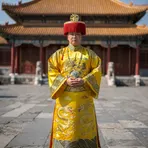
 8
8.6
8
8.6

The last ruling dynasty of China that ruled from 1644 to 1912
 1
8.3
1
8.3
A family of rulers in China from 1644 to 1912


 1
7.2
1
7.2
The last ruling family of China from 1644 to 1912 led by the Manchu people
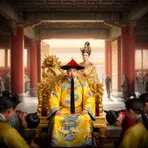
The last rulers of China from 1644 to 1912 who came from the Manchu people
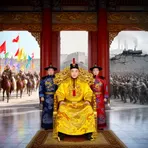
The last imperial dynasty that ruled China from 1644 to 1912, founded by the Manchu people
Surface Forms
Morphology
This phrase is simply a proper-name + common-noun construction: knowing 'Ch'ing' as the name and 'dynasty' as a succession of rulers yields the meaning 'the dynasty called Ch'ing'. Such naming patterns are cross-linguistically common and follow transparent compositional rules, so a learner who knows both constituents will understand the MWE.
Etymology
Ch'ing dynasty is an older English name: the Ch'ing part is an old spelling of the Chinese word 'Qing'. Here dynasty means 'ruling family', so Ch'ing dynasty names the last emperors who ruled China from 1644 to 1912.