
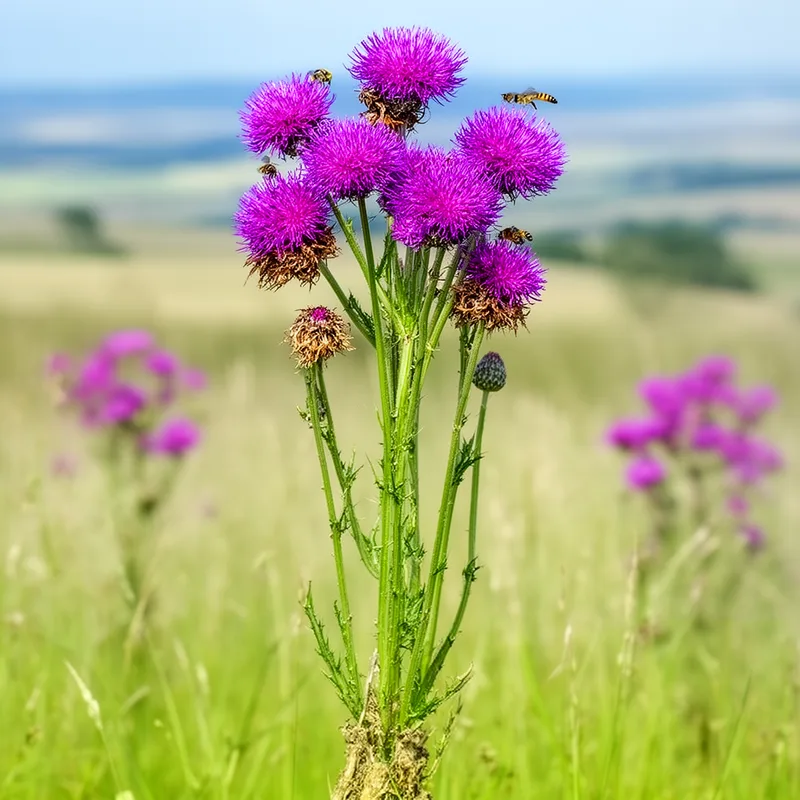
Centaurea scabiosa
- noun
- Specialized
- The distinctive purple heads of Centaurea scabiosa make it easy to identify among the grasses.
Examples
-
In the wildflower meadow, several Centaurea scabiosa plants attracted a variety of butterflies.
-
The Centaurea scabiosa blooms beautifully in the summer.
-
Gardeners often plant Centaurea scabiosa to support local pollinators and add vibrant color.
-
Many gardeners love to plant Centaurea scabiosa for its vibrant color.
-
In the wildflower meadow, several Centaurea scabiosa plants attracted a variety of butterflies.
-
The distinctive purple heads of Centaurea scabiosa make it easy to identify among the grasses.
-
Gardeners often plant Centaurea scabiosa to support local pollinators and add vibrant color.
Synonyms
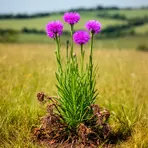
A tall European plant with purple flower heads that comes back each year
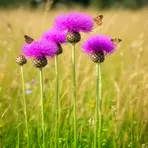
A tall plant with purple, thistle-like flowers that grows in meadows
Surface Forms
Morphology
This is a scientific binomial composed of genus + species (Centaurea + scabiosa), so a learner who knows the constituents as ‘a genus’ and ‘a flowering plant’ can transparently infer it names a particular plant species. The compositional taxonomic pattern (genus + species) is a regular, cross-linguistic naming convention, making the meaning predictable from the parts even if the exact common name is unknown.
Etymology
Centaurea scabiosa gets its name from a myth and a plain description: Centaurea links to the centaur, a half-man, half-horse creature who was said to use the plant, and scabiosa comes from a word for 'scabby' or rough skin. So the name gives a strong picture of this purple wildflower and its old use for skin problems.

