
Celosia cristata
- noun
- Specialized
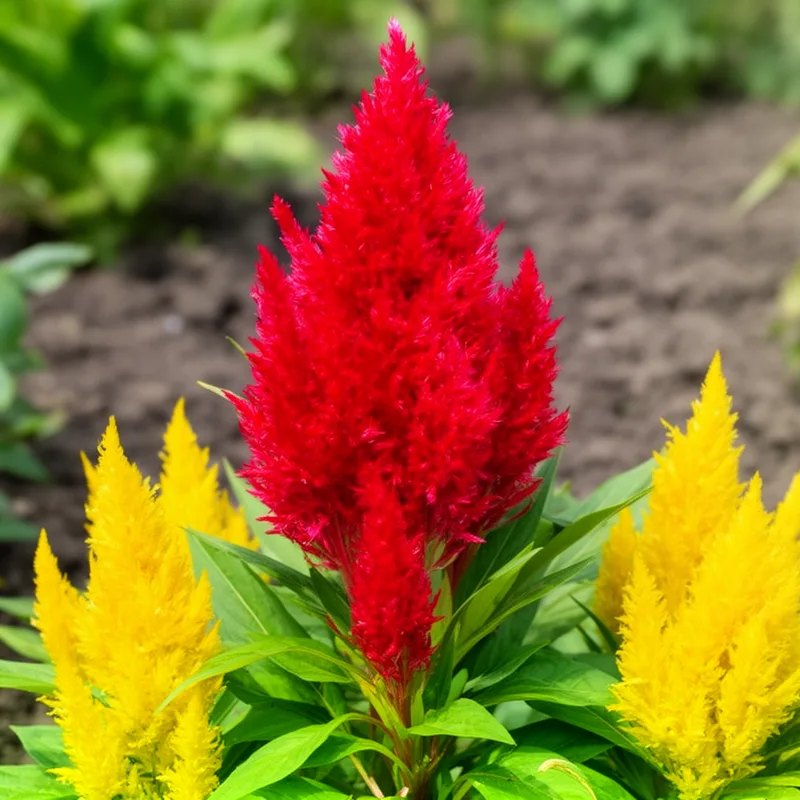
- The bright yellow spikes of Celosia cristata attract butterflies to the garden.
Examples
-
The brilliant red varieties of Celosia cristata are a favorite in floral arrangements.
-
Gardeners often choose Celosia cristata for its unique crested flowers.
-
Celosia cristata adds vibrant color and unusual texture to summer gardens.
-
The Celosia cristata blooms beautifully in the summer.
-
I planted several Celosia cristata in my garden.
-
In my flower shop, Celosia cristata is popular for creating stunning bouquets.
-
During summer, the striking red of Celosia cristata makes it a standout in any garden.
Synonyms

A garden plant with bright crested flowers like a rooster's comb

A garden plant with bright, feathery flower spikes in red or yellow

A garden plant with bright red or yellow feathery flower spikes
Surface Forms
Morphology
Celosia + cristata
This is a Latin botanical binomial rather than a compositional English phrase; the specific epithet 'cristata' is not a common English word (and is listed as not found), so a B1 learner who knows the constituent forms would not be able to derive the common-name meaning (cockscomb) from them. Botanical Latin names function as labels and are language-specific, making the expression unpredictable and therefore opaque to most learners.
Etymology
Celosia cristata gets its name from how it looks: cristata means 'crested' and the bright, wavy flower heads look like a rooster's comb, so people call the plant 'cockscomb'.

