
Catostomidae
- noun
- /ˌkætəˈstoʊmɪdi/
- Specialized
 :
Catostomidae
:
Catostomidae
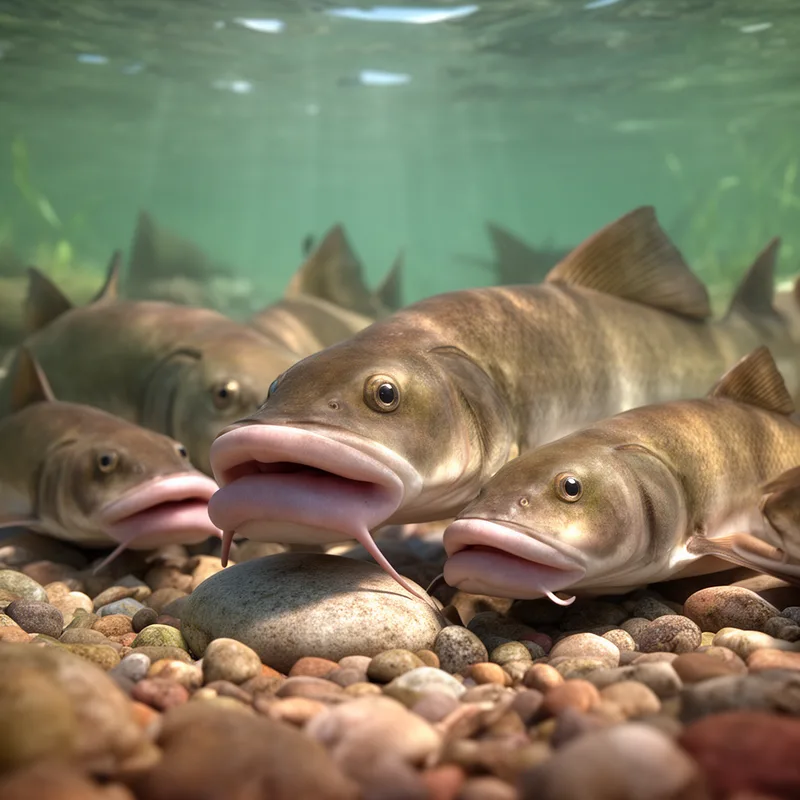
- Species in the Catostomidae family are often identified by their fleshy, downturned mouths.
Examples
-
The river ecosystem supports several types of Catostomidae, prized by some anglers.
-
Did you know that Catostomidae are often found in rivers?
-
Researchers study Catostomidae to better understand freshwater biodiversity.
-
Look at that Catostomidae swimming near the rocks!
-
Researchers study Catostomidae to better understand freshwater biodiversity.
-
Species in the Catostomidae family are often identified by their fleshy, downturned mouths.
-
The river ecosystem supports several types of Catostomidae, prized by some anglers.
Surface Forms
Morphology
Catostomidae = Catostomus (opaque) = Catostom + idae
The formation uses a Latin taxonomic suffix '-idae' attached to a genus stem; this is a technical scientific formation not transparent to average learners.
Etymology
Catostomidae comes from Greek parts cato- meaning 'down' and -stoma meaning 'mouth'. So the name literally says 'down mouth', which helps you remember these freshwater 'sucker' fish have a fleshy, turned-down mouth.

