
Caravaggism


 1
9.9
- noun
- /ˌkærəˈvædʒɪzəm/
- Specialized
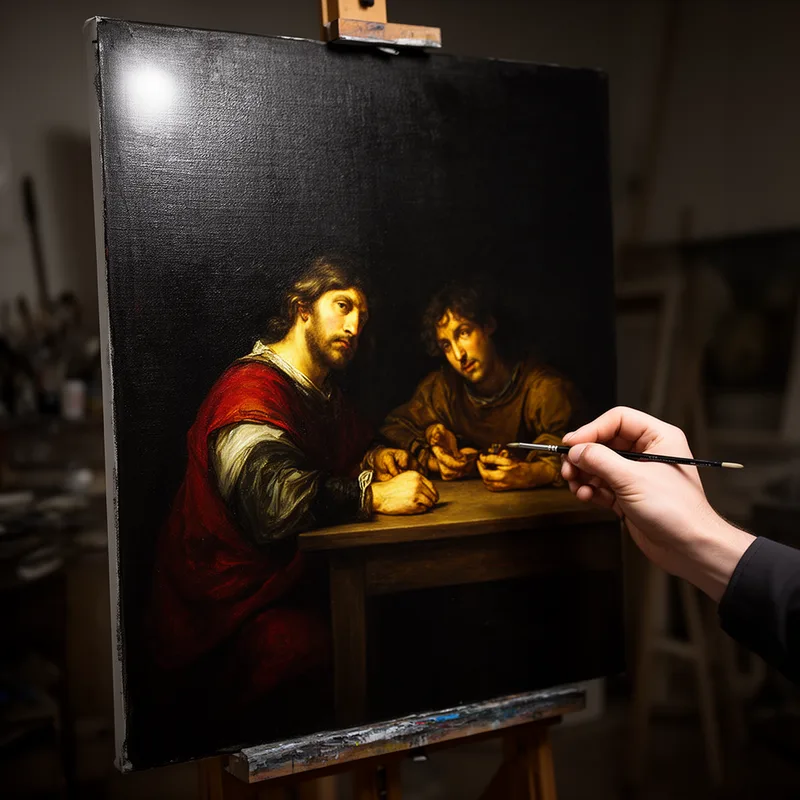
- The influence of Caravaggism can be seen in the dramatic use of light and shadow.
Examples
-
Many painters across Europe adopted Caravaggism in the early 17th century.
-
She wrote her thesis on the spread of Caravaggism in northern Europe.
-
The artist's work reflects a strong influence of Caravaggism.
-
Many painters adopted Caravaggism during the Baroque period.
-
The museum featured a stunning exhibition of Caravaggism, highlighting the dramatic contrasts of light and shadow in the paintings.
-
Many artists of the Baroque period were influenced by Caravaggism, incorporating its realistic style into their own works.
-
Her latest painting reflects a deep admiration for Caravaggism, with its vivid realism and expressive use of light.
Surface Forms
Morphology
Caravaggism = Caravaggio (transparent) = Caravaggio + ism
Formed directly from the painter's name plus the productive suffix '-ism' meaning 'a style or movement associated with'.
Etymology
Caravaggism comes from the name of the Italian painter Caravaggio and the ending -ism, which means 'a style or movement'. Think of Caravaggio's pictures with strong light and very real people, so Caravaggism is the painting 'style' that copies his dramatic light and realistic scenes.