
Canada wild rye
- noun
- US
 :
centeno salvaje de Canadá
:
centeno salvaje de Canadá
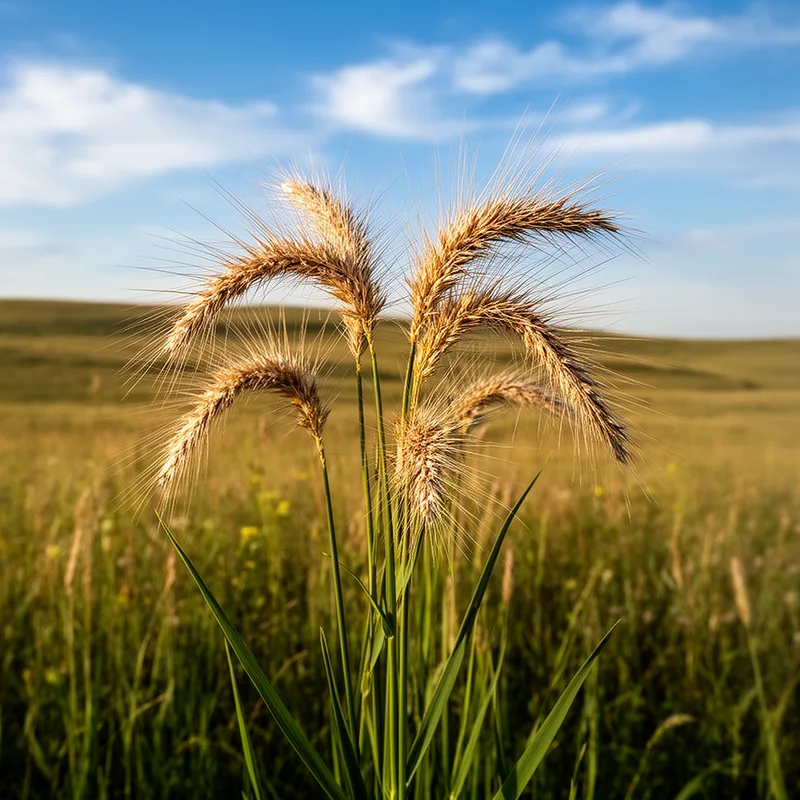
- The bristly flower heads of Canada wild rye make it easy to identify in the field.
Examples
-
Farmers sometimes plant Canada wild rye to prevent soil erosion on their land.
-
Canada wild rye is often used in prairie restoration projects due to its hardiness.
-
The Canada wild rye swayed gently in the breeze.
-
Many farmers appreciate Canada wild rye for its resilience.
-
Canada wild rye is a tall grass commonly found in prairies across North America.
-
In open woodlands, Canada wild rye thrives alongside other native plants.
-
Many wildlife species rely on Canada wild rye as a source of food and habitat.
Synonyms

A tall wild grass from North America with bristly spikes that grows in prairies and open woods
Surface Forms
Morphology
The compound is fully compositional: 'Canada' specifies a geographic association, 'wild' indicates it grows naturally, and 'rye' names the cereal/grass. Together they straightforwardly describe a type of wild rye associated with Canada, so a B1 learner who knows the constituent words can infer it is a Canadian wild grass species.
Etymology
The name Canada wild rye comes from a simple picture: this tall, bristly grass grows naturally in Canada and looks like farmed rye, so the words Canada, wild, and rye describe where it grows and what it looks like. So, the name means 'a wild rye grass from Canada' and is used today for that specific prairie grass.

