
Boletus subvelutipes
- noun
- Specialized
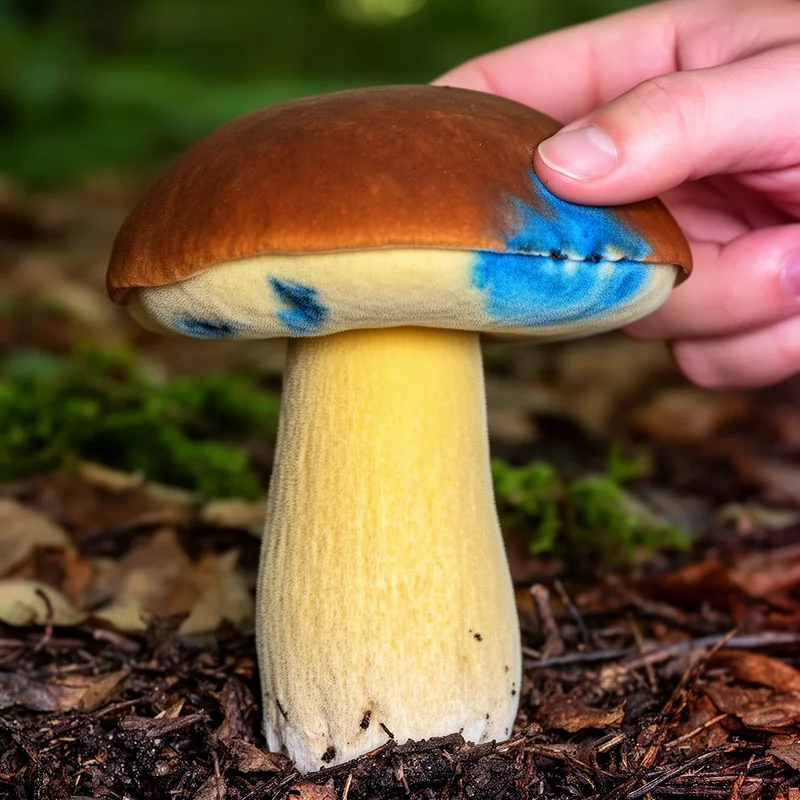
- The Boletus subvelutipes is easily identified by the blue stains that appear instantly on bruised flesh.
Examples
-
The velvety stem of Boletus subvelutipes distinguishes it from many other boletes in the forest.
-
Mushroom foragers are cautioned that Boletus subvelutipes can be confused with similar-looking toxic species.
-
I found a Boletus subvelutipes in the forest yesterday.
-
The Boletus subvelutipes has a distinctive velvety stalk.
-
Mushroom foragers are cautioned that Boletus subvelutipes can be confused with similar-looking toxic species.
-
The Boletus subvelutipes is easily identified by the blue stains that appear instantly on bruised flesh.
-
The velvety stem of Boletus subvelutipes distinguishes it from many other boletes in the forest.
Surface Forms
Morphology
Boletus + subvelutipes
This is a scientific Latin binomial: while 'Boletus' may hint at a type of mushroom, the second constituent 'subvelutipes' is not a standard English word (not found in the dictionary) and contains Latin morphemes unfamiliar to a B1 learner. The species-specific meaning (velvety stalk, dingy cap, blue-staining flesh) cannot be derived from the known English constituents, so the expression is opaque to typical learners.
Etymology
Boletus subvelutipes comes from Latin parts that describe the mushroom: Boletus shows it is a bolete with a sponge-like layer under the cap, and sub- + velutipes mean 'somewhat velvety stalk', so the name points to its soft, fuzzy stem and helps you remember the species.

