
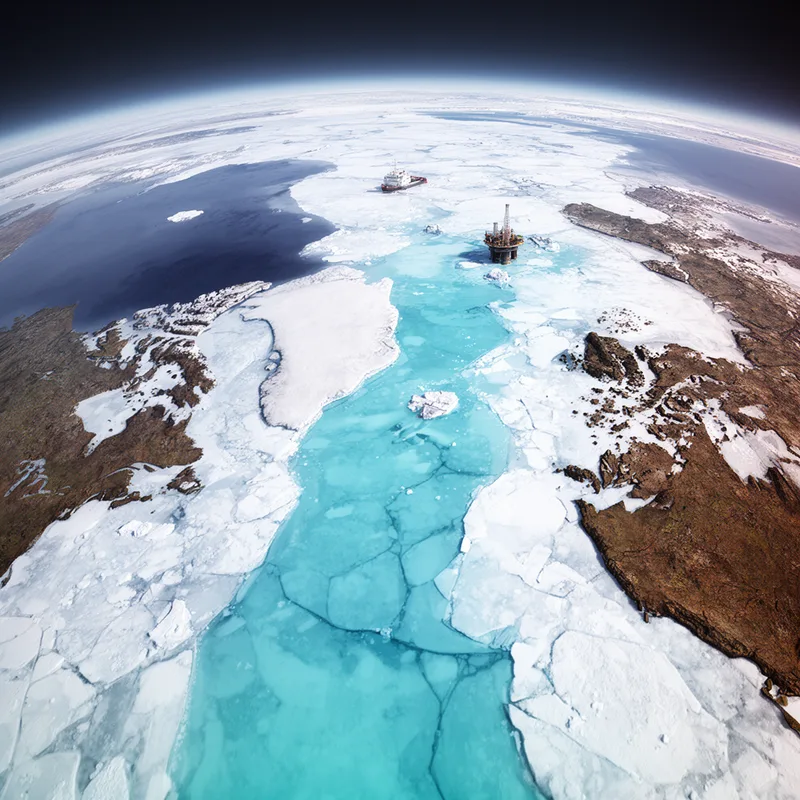
Beaufort Sea
 2
6.5

- proper noun
- /ˈboʊfərt siː/
- The Beaufort Sea forms part of the northern boundary of Alaska and Canada.
Examples
-
Researchers traveled to the Beaufort Sea to study the effects of climate change on polar ice.
-
Oil exploration in the Beaufort Sea has raised environmental concerns in recent years.
-
The Beaufort Sea is known for its icy waters.
-
Many species thrive in the Beaufort Sea ecosystem.
-
The Beaufort Sea is known for its harsh weather conditions and rich marine life.
-
Scientists are studying the effects of climate change on the ice cover of the Beaufort Sea.
-
Many migratory birds visit the Beaufort Sea during the summer months for nesting.
Surface Forms
Morphology
Beaufort + sea
This is a place name formed from a proper name + the noun 'sea', so a B1 learner who knows 'sea' and recognises that 'Beaufort' is a name will understand it denotes a particular sea. They may not know its precise Arctic location without prior exposure, but the basic meaning 'a sea called Beaufort' is directly derivable and follows common cross-linguistic naming patterns.
Etymology
Beaufort Sea is named after Sir Francis Beaufort, a British sailor and map maker who created the Beaufort wind scale. Because mapmakers used his name, the 'sea north of Alaska and Canada' is still called the Beaufort Sea today.