
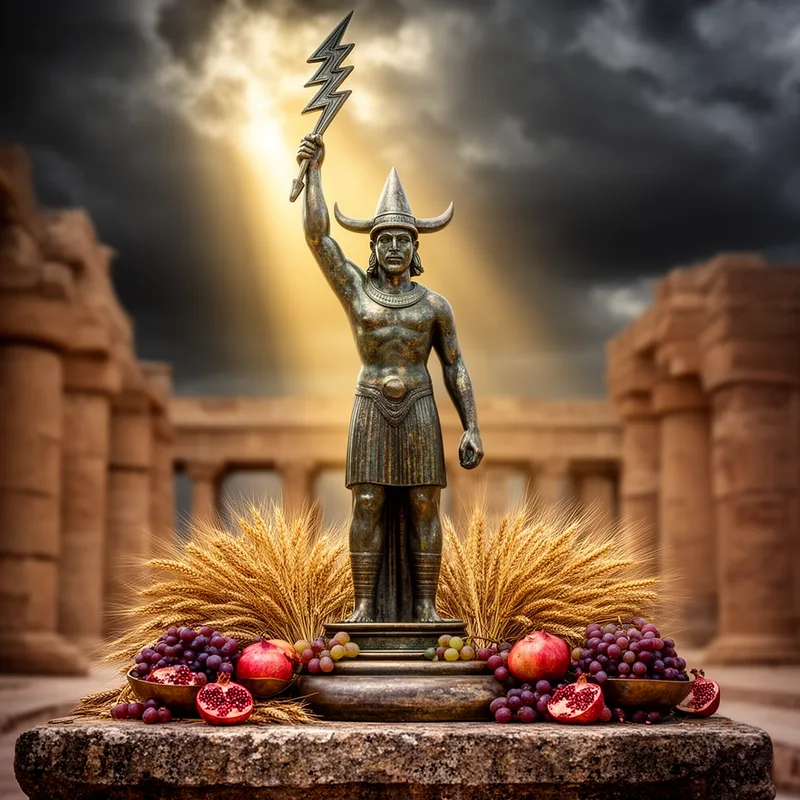
Baal
 7
9.9

- proper noun
- /beɪl/
- Literature
- Chief amongst them were Baal, Melkhart and Tannet.
- Baal Shem
- Baal Peor
Loading YouTube…
Watch on YouTubeBut already Seth and Baal were linked.
- But already Seth and Baal were linked.
- Mammon is a tool of Baal.
Examples
-
In ancient Babylon, their priest sacrificed babies to their gods Baal and Molech.
Blog text (6) -
"I bow down to Baal because he's the lord of this land!"
Fiction book (2001) -
If the Lord is God, follow him; but if Baal, then follow him.
Blog text (23) -
But already Seth and Baal were linked.
-
- By Baal and by Carthis, I call upon thee.
-
Word returned that the Philistines were defeated at Baal-perazim.
Fiction book (2001) -
"But Baal, chief of gods, spied her and was intrigued by her beauty," the historian continued.
Fiction book (1994) -
This had been introduced by King Ahab to please his Baal worshipping queen, Queen Jezebel.
-
Samuel Falk, the Baal Shem of London, had a son named Gedalia, and the magic side descends to me through Gedalia.
Fiction book (2001) -
The ancient people would make sacrifices to Baal to ensure a good harvest.
Surface Forms
Etymology
Baal comes from an old Semitic word meaning 'lord' or 'owner'. People used it as a title for local nature and fertility gods, so the Hebrews later called Baal a 'false god' and saw it as a rival to their own god.