

Aurora
 1
7.7

- proper noun
- /əˈrɔrə/
- Literature
- In Roman mythology, Aurora is the goddess who brings the dawn each morning.
Loading YouTube…
Watch on YouTubeSo Zeus took pity on Aurora and made Tithanus immortal.
- So Zeus took pity on Aurora and made Tithanus immortal.
Examples
-
So Aurora was the one who gave Apollo the potion that would help erase Evangeline's memories.
-
He's on the research vessel Aurora, presently in the Antarctic Ocean, and he won't be in radio range till next spring.
-
You can enjoy the Aurora displays throughout the US and Canada.
Academic text (2010) -
While the Aurora can be seen any time of night, it usually starts appearing around midnight.
Academic text (2010) -
If you are new to Aurora chasing or night photography, try to find an observation spot in advance.
Academic text (2010) -
People have been fascinated by the dancing lights of the Aurora Borealis since the beginning of time.
Academic text (2010) -
Fortunately, Aurora chasing does not necessarily have to be overly expensive or complicated.
Academic text (2010) -
Aurora borealis can be found in the northern hemisphere in Alaska, Canada, and Scandinavia.
-
According to legend, Aurora would travel across the sky, heralding the arrival of a new day.
-
In many cultures, Aurora is associated with the beauty of sunrise and the start of a fresh beginning.
Synonyms


 1
9.9
A winged goddess who brings the first light of day
Compounds

- Specialized
10
7.6
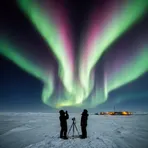
A natural show of bright, colorful lights in the night sky in northern regions
Surface Forms
Etymology
Aurora comes from the Latin aurora, which means 'dawn'. In Roman myth she rises each morning to bring the new day, so Aurora is a clear symbol of new beginnings.