

Attacapan language
- noun
- Specialized
- The Attacapan language became extinct in the early 20th century as fewer Atakapa people spoke it.
Examples
-
Linguists have studied remnants of the Attacapan language to understand its relationship with other Gulf Coast languages.
-
Much of what we know about the Attacapan language comes from the writings of early European explorers.
-
The Attacapan language is no longer spoken.
-
Many scholars study the Attacapan languages to understand indigenous cultures.
-
Linguists have studied remnants of the Attacapan language to understand its relationship with other Gulf Coast languages.
-
Much of what we know about the Attacapan language comes from the writings of early European explorers.
-
The Attacapan language became extinct in the early 20th century as fewer Atakapa people spoke it.
Synonyms



 1
9.9
A language no longer spoken by the Atakapa people on the Gulf Coast of Louisiana and Texas

A language the Atakapa people spoke on the Gulf Coast of Louisiana and Texas that is now extinct
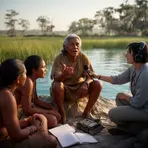
A language that was once spoken by the Atakapa people along the Gulf Coast of Louisiana and Texas
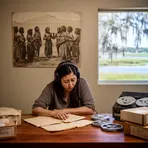
A language no longer spoken by the Atakapa people of the Gulf Coast in Louisiana and Texas
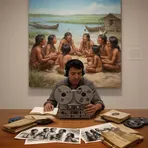
A language once spoken by the Atakapa people on the Gulf Coast of Louisiana and Texas
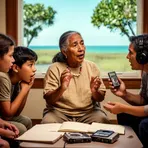
A language spoken by the Atakapa people on the Gulf Coast of Louisiana and Texas
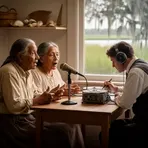
A language spoken in the past by a Native American group along the Gulf Coast of Louisiana and Texas
Surface Forms
Morphology
The phrase 'Attacapan language' is directly compositional: it denotes the language associated with the Attacapan (Atakapa) people, formed by combining the proper name 'Attacapan' with the noun 'language'. The 'X language' pattern is a regular, cross-linguistic way to name languages and would be clear to a B1 learner who knows both constituents.
Etymology
Attacapan language comes from the name of the Atakapa people who lived along the Gulf Coast; it was the everyday speech of their villages. Because very few people still spoke it by the early 1900s it became 'extinct', so the name now reminds us of the lost language of those people.