
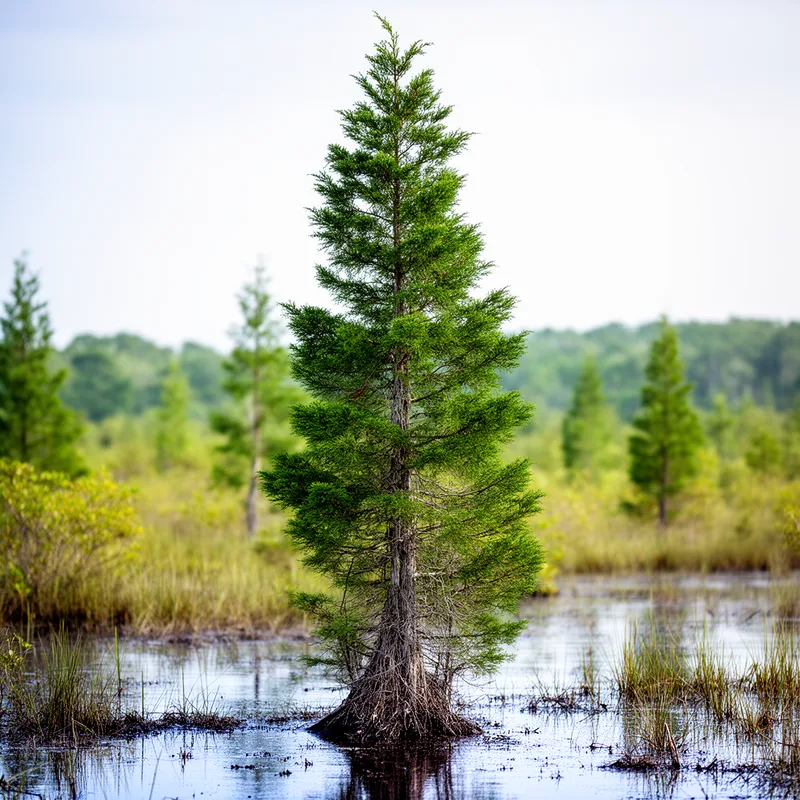
Atlantic white cedar
- noun
- /əˈtlæntɪk waɪt ˈsiːdər/
- US
- The Atlantic white cedar is an important species in the coastal ecosystem, providing habitat for various wildlife.
Examples
-
Scientists are studying the Atlantic white cedar to understand its role in sequestering carbon in coastal ecosystems.
-
The Atlantic white cedar is known for its durability.
-
Logging of Atlantic white cedars has significantly reduced their populations in some regions.
-
The Atlantic white cedar thrives in wetland habitats along the eastern United States.
-
Many Atlantic white cedars grow along the coastal wetlands.
-
Many boat builders appreciate the durability of Atlantic white cedar for constructing canoes and kayaks.
-
In some regions, the fragrant wood of the Atlantic white cedar is used to make high-quality wooden shingles.
Synonyms


 1
4.2
1
4.2
A slow-growing evergreen tree with wood that smells nice and resists rot

A medium evergreen tree with strong, long-lasting wood that grows in coastal swamps of the United States

A slow-growing medium-sized evergreen tree with small flat leaves that grows along marshy East Coast shores

A medium-sized slow-growing cedar tree from the east coast of the United States with scaly leaves
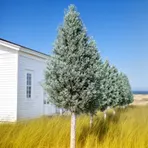
A medium-sized slow-growing cedar tree from the east coast of the United States
Surface Forms
Morphology
The noun phrase is transparently compositional: 'Atlantic' locates the tree by region, 'white' describes a visible property, and 'cedar' names the tree species, so the overall meaning (a white cedar from the Atlantic area) is directly derivable from the parts. This modifier+modifier+noun pattern is common cross-linguistically and would be understood by a B1 learner who knows the constituent words.
Etymology
Atlantic white cedar comes from three simple parts: Atlantic because it grows along the eastern coast, white for its 'pale wood', and cedar because its wood and smell are like true cedars. So, the name tells you it is a pale, 'cedar-like' tree that lives by the Atlantic.