
Astroloma
- noun
- Specialized
 :
Astroloma
:
Astroloma
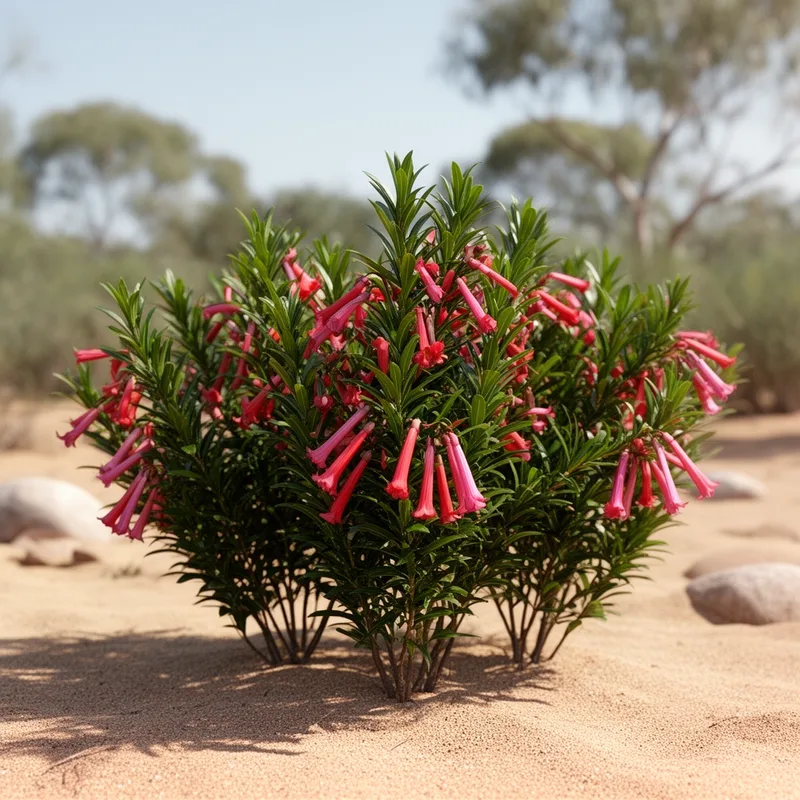
- Many species of Astroloma have distinctive red or pink tubular flowers.
Examples
-
The Astroloma shrubs thrive in well-drained, sandy soils.
-
Gardeners in Australia often cultivate Astroloma for its attractive foliage and blooms.
-
The Astroloma plant thrives in dry conditions.
-
Many gardeners appreciate the Astroloma for its unique flowers.
-
Gardeners in Australia often cultivate Astroloma for its attractive foliage and blooms.
-
Many species of Astroloma have distinctive red or pink tubular flowers.
-
The Astroloma shrubs thrive in well-drained, sandy soils.
Synonyms
A small Australian shrub with bell-shaped flowers

Low-growing evergreen shrubs from northern regions that have small pink flowers

A small evergreen shrub with tiny pink flowers that grows in cold mountain and Arctic areas
A group of Australian shrubs with tube-shaped flowers that often attract birds

A bush from Australia with shiny green leaves and bright blue or purple flowers
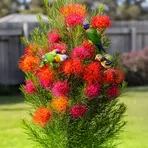
An Australian shrub or small tree with bright flowers that attract birds
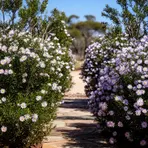
A group of evergreen shrubs or small trees from Australia with daisy-like flowers
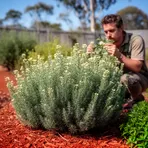
A group of Australian shrubs and small plants with aromatic leaves grown in gardens
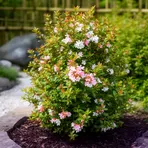
A shrub from East Asia with small fragrant flowers often grown in gardens
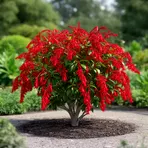
A South American small tree or bush with long branches and bright flowers

A small group of shrubs and small trees from Australia, New Zealand and western South America

Evergreen shrubs and small trees from New Zealand and South America that people grow as garden hedges

A small low bush that stays green and has sweet smelling pink or white flowers
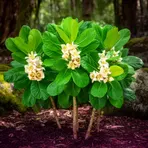
A group of evergreen shrubs from New Zealand with large leaves and unusual flowers
Compounds
- Specialized
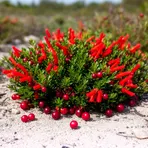
A small low shrub from Australia with red flowers and small edible fruit like cranberries
Surface Forms
Etymology
Astroloma comes from Greek parts astro- meaning 'star' and -loma meaning 'fringe' or 'edge', and it shares the astro- part with astronomy. A helpful way to remember the name is that the small, tube-shaped flowers often look like little stars or have a fringed edge, so the name points to their star-like blooms.

