

Asplenium scolopendrium
- noun
- UK
- Gardeners value Asplenium scolopendrium for its unique, undivided fronds and ability to thrive in moist, shaded areas.
Examples
-
The shady woodland was covered in Asplenium scolopendrium, giving the ground a lush green appearance.
-
Botanists noted the presence of Asplenium scolopendrium along the riverbank during their survey.
-
The Asplenium scolopendrium thrives in moist, shaded areas.
-
I found an Asplenium scolopendrium in the garden.
-
During their walk in the forest, the hikers spotted a beautiful patch of Asplenium scolopendrium growing near the stream.
-
Many ferns, including Asplenium scolopendrium, prefer damp and shady environments to flourish.
-
The gardener planted several Asplenium scolopendrium to create a lush green backdrop in the landscape design.
Synonyms
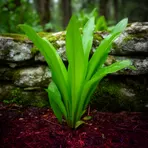
A fern with long green leaves shaped like a tongue that grows in damp places

A fern with long flat leathery leaves that grows in shade

A fern with long flat green leaves that look like a tongue
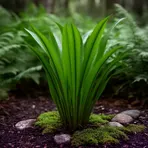
A fern with long narrow leaves that look like a millipede
Surface Forms
Morphology
Both constituent words are botanical nouns referring to ferns, so their combination as a binomial clearly denotes a specific fern species; a learner who knows both constituents can infer it names a type of fern. The genus+species naming convention (Latin binomial) is a transparent, compositional pattern used cross-linguistically in scientific nomenclature, aiding comprehension.
Etymology
Asplenium scolopendrium is the scientific name for the fern often called 'hart's-tongue'. The second word, scolopendrium, and the common name come from the plant's long, flat leaves that look like a deer's 'tongue', so that clear image helps you remember this fern.

