
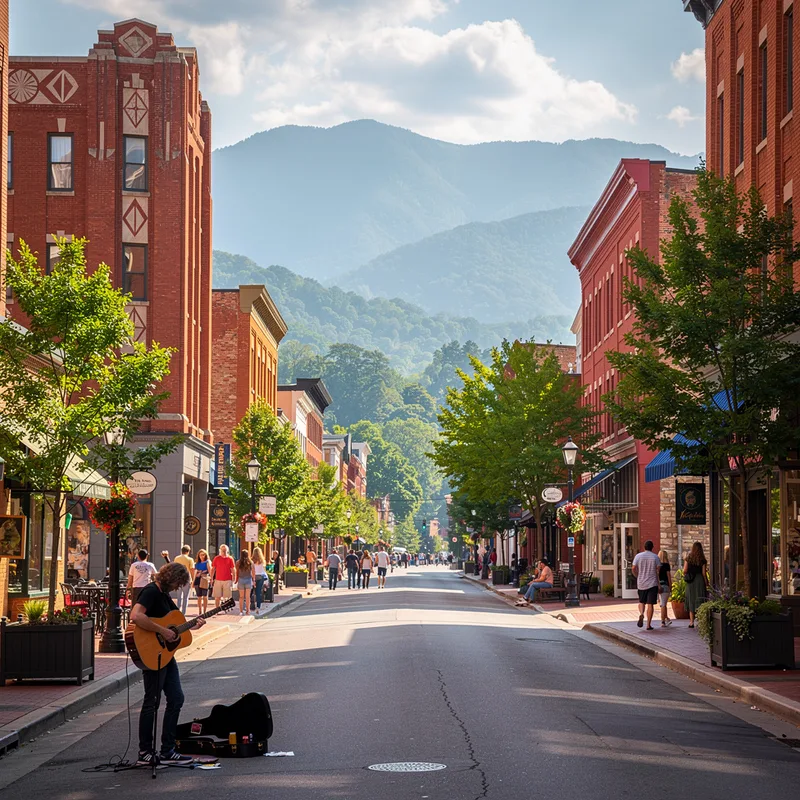
Asheville
 19
3.5

- proper noun
- /ˈæʃvɪl/
- The Biltmore Estate, located in Asheville, attracts visitors with its stunning gardens and rich history.
- Asheville, North Carolina
- Asheville, NC
- Asheville Citizen
Loading YouTube…
Watch on YouTubeI thought we applied to UNC Asheville to their film school.
- I thought we applied to UNC Asheville to their film school.
- Our first question is, it's from Laura in Asheville, NC.
- But the roads that have been washed out from the hurricane in Asheville, there's still muddy trails.
- We're doing another one of those in Black Mountain outside of Asheville, NC in early March.
- There was one guy for this, one guy for that, you know, but they were all very valuable in teaching the upcoming scene of guitar players in Asheville.
Examples
-
The other one is Asheville, NC, one of the most beautiful little towns I have ever been to.
-
I've got business in Asheville.
-
Here in asheville, They really like their beer.
-
We saw the same thing last week when he left Asheville.
-
And then last night we stayed in Asheville.
-
I'll call you from Asheville as soon as I get a feel for what's going on.
Fiction book (1994) -
On that tour, we played with his band, GROUCH, in Asheville, North Carolina.
Blog text (19) -
Dan had been a successful architect in Asheville for years before John's birth.
Fiction book (1998) -
The local television news station sent reporters to cover the assembly, and the Asheville Citizen-Times published several articles about the event.
Academic text (2004) -
In addition to receiving such financial support, organizers enlisted the region's largest newspaper, the Asheville Citizen-Times, as a sponsor.
Academic text (2004)
Surface Forms
Morphology
Asheville = Ashe (semi-transparent) = ashe + ville
The suffix '-ville' commonly signals a town name so learners who know this pattern can identify it as a place, but the surname 'Ashe' does not convey location meaning to most learners.
Etymology
Asheville comes from the family name Ashe plus the ending -ville, which means 'town'. It was named for Samuel Ashe, an early governor, so the name simply means 'Ashe's town'.