

Arrhenatherum elatius
- noun
- Specialized
- Arrhenatherum elatius is commonly found on roadside verges and in rough grassland areas.
Examples
-
You can easily identify Arrhenatherum elatius by its tall, loose flower heads and oat-like appearance.
-
Farmers sometimes plant Arrhenatherum elatius to provide forage for grazing animals.
-
Arrhenatherum elatius is often found growing in wildflower meadows managed for biodiversity.
-
The Arrhenatherum elatius grows abundantly along the roadsides.
-
Farmers often use Arrhenatherum elatius as a forage crop.
-
Farmers cultivate Arrhenatherum elatius to ensure their livestock have adequate forage.
-
In hay meadows, Arrhenatherum elatius thrives alongside a variety of other grasses.
Synonyms

A tall rough grass from Europe and Asia that looks like oats and grows by roads and fields
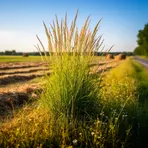
A tall rough grass that grows in meadows and roadsides and is used for hay

A tall coarse grass like oat that grows by roadsides, in fields, and is used for animal feed
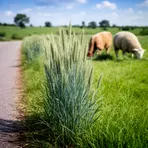
A rough grass from Europe and Asia that grows by roads and in meadows and is used to feed animals
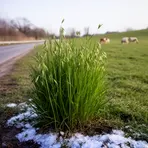
A coarse grass like oats that stays green all year on roadsides and meadows
Surface Forms
Morphology
Arrhenatherum + elatius
This is a Latin binomial (a taxonomic proper name) rather than a compositional English phrase; knowing the genus alone does not give the everyday description and the species epithet 'elatius' is not an English word in learners' lexicon. Even if 'elatius' derives from Latin meaning something like 'tall', species names function as labels and do not follow standard English compositional patterns, so a B1 learner who merely knows the parts would not reliably infer the described common-language meaning.
Etymology
Arrhenatherum elatius may come from old Greek and Latin: the genus Arrhenatherum points to an oat-like grass and the species elatius means 'tall' in Latin, so the name gives the image of a tall, coarse grass with long bristles. That's why it fits this common roadside and meadow grass.

